I had been given the names of two Queensland Health employees to contact by Robbie Katter since they had been involved in the “efforts” to reduce lead exposure in Mt Isa since 2006. When I contacted them, one of them responded, one didn’t. When I pointed out that nothing was being done to treat children with raised blood levels in Queensland, aside from “emergency” treatment of seriously raised blood lead levels (at or above 45ug/dl), the justification I was handed for doing nothing was a couple of clinical studies which indicated that chelation treatment failed to reduce symptoms of neurological damage, while not reducing blood lead levels below 15ug/dl in the chelation-treated children.
My reaction was to point out that the available current literature indicated significant neurological effects in the range 5-10 ug/dl so unless blood lead levels are depleted to below 5ug/dl, you are simply not hitting the target.
In any event, the justification for Queensland Health doing nothing was basically why bother because we wouldn’t achieve anything useful.
I wonder how parents with lead affected children would feel about that?
Take the time to listen to this a 2012 ABC News podcast (https://www.abc.net.au/listen/programs/backgroundbriefing/4408246)which talks about the renovation of flooded older houses, and painters and people and children who were exposed to lead paint. It doesn’t do any credit to Queensland Health.
I’ll probably add more to this blog post, but I’m still digesting a beautiful piece of spin-doctoring from the Queensland Premier’s office.
I hope this blog might be read by someone outside Queensland, so I’d better explain that Queensland is on the northeast corner of Australia, with climate ranging from temperate to tropical depending on the time of year.
Most of the population of Queensland is near the coast or fairly close, whereas further inland you generally see smaller cities or towns that are dependent on local agriculture or mining.
The map below shows the location of lead deposits or mines in Australia. You’ll notice that Queensland has quite a bit of lead. in the north west corner. The main lead mining and smelting city of Mount Isa, about 900 km from the coast. Mt Isa has been mining and smelting lead ore for over 90 years, and sends lead ingots and lead concentrate by train to Townsville on the coast. About 110,000 tonnes per annum of lead concentrate are shipped to Townsville, to be loaded at the Glencore Port operations. Lead concentrate was formerly shipped in uncovered wagons, leading to extensive lead contamination along the railway.
Historical contamination from lead concentrate loading operations into bulk carrier ships has led to most of the areas near the port being contaminated with lead concentrate, including children’s playgrounds. The air monitoring at the Coast Guard station opposite the port loading facilities shows lead concentrate dust peaks when bulk carrier ships are being loaded. The peaks exceed allowable limits, but our excuse for an EPA averages the total release per 24 hours, which effectively suggests there is nothing wrong.
Mt Isa is probably the only place in Queensland where the Queensland Health department makes any real effort to be appearing to deal with issues arising from lead exposure. That pretty much means that lead exposure is ignored in the rest of Queensland, including Townsville which is at least in part a “lead city”.
The focus on Mt Isa would be understandable from the viewpoint that Mount Isa has high concentrations of environmental lead, not only because the city is sited on the edge of a lead ore deposit and suffers lead dust from the mining, but there is also a contribution from the lead smelter which has one of the tallest smokestacks in the southern hemisphere, in the hopes the fumes will go far enough away to not be a problem to Mt Isa residents.
Queensland DPI carried out soil analysis near Mt Isa which indicated lead recent lead pollution many kilometers away from Mt Isa. They did this by measuuring the lead content of soil samples taken at different depths which quite clearly indicated much higher surface lead levels, most likely due to smelter emissions.
Mount Isa is an interesting place from the viewpoint that people have been ignoring lead for so long, presumably to protect the local economy, that it’s very hard to find anyone who has lived in Mount Isa for a few years who is willing to admit lead could be a problem. If you do start asking questions about lead, you quickly get unpopular with your neighbors.
The other lead cities (Broken Hill, mining, Port Pirie, smelting) are now quite active in trying to reduce lead exposure in children by continually monitoring blood lead levels in children as an indicator of the success of their efforts. While there are free walk-in blood lead testing,, there is NO official wide-scale testing of children for lead exposure aside from opportunistic testing for lead in left-over paediatric blood samples in the local hospital,. There hasn’t been a concerted effort to get a large sampling of childrens blood lead levels for over a decade.
There are Australia-wide programs run by Monash University and the Victorian EPA, where people can send in soil or dust samples for lead testing. Would it surprise you to learn that while Port Pirie and Broken Hill are well represented, Mount Isa isn’t? It appears not one member of the public in Mount Isa has sent in a dust or soil sample for toxic metal testing.
Up to this point I’ve concemtrated on the results of the mining and smelting operations, and the transport of lead concentrate.
However, there are much bigger lead problems in Queensland. The first is legacy lead contamination from leaded petrol along major roads and highways. That has resulted in the surface soil near the roadways being contaminated with lead, often well above allowable limits. There are many places where growing your own vegetables can be a health hazard because of lead.
A much more widespread problem is lead paint on older (pre-1970) houses which number in the tens of thousands (possibly as many as half a million) all over Queensland. Regardless of whether the houses have been maintained or not, you either have direct exposure to lead paint, which is very attractive to children because of the very sweet-tasting lead acetate added as a hardener, or if the houses have been repainted, particularly after flooding, the areas around the houses will be heavily contaminated with lead paint dust or chips.
Queensland has had a long history of dealing with lead poisoning from lead paint. Queensland physicians published many of the early scientific and clinical papers about child lead poisoning from lead paint.
And then things started to go a bit off course. Maybe it was the influence of the Lead cartel active in the 1930s, or the proponents of leaded petrol or lobbying by mining interests, but whatever the reason, the public awareness of the dangers of lead paint started waning. Something went terribly wrong at the beginning of this century, when there appears to almost have been a concerted effort to minimise information about the dangers of lead paint or perhaps lead as a whole.
Queensland Health are obviously aware of the dangers of lead, as for example in one of their public statements:
This analysis indicates that the public health focus for elevated blood lead levels should be to make the general public aware of the dangers of lead exposure whilst renovating old homes and the precautions they should take in this circumstance. In particular, measures should be adopted to prevent children from ingesting paint or other lead-based materials whilst renovation is occurring.
And yet, after the 2011 floods in Brisbane and Ipswich, where many older homes were flooded, there were public warnings from the Health Department about asbestos and contaminated water, but no mention of lead.
When questioned, their response was:
Queensland Health’s post-flood focus was on the issue of asbestos debris and contaminated water problems as these were the issues of key public health concern. Information for the public in relation to dealing with lead in paint during home renovation and restoration work was already available and accessible to renovators and contractors.
Just because they didn’t mention the hazards resulting from lead paint doesn’t mean they didn’t have information available, if you knew where to look, if you had an inkling that removing lead paint was dangerous. I
If people were concerned about lead exposure, they had to ask their doctor for a blood lead test, or demand a blood lead test from their pediatrician for their children. Surely if lead was identified as a danger, that should have involved some sort of public health directive to screen for lead poisoning?
From Queensland Health’s own data (2016), painters are one of the largest group of individuals with actionable blood lead levels. If painters are affected, what about the occupants and children living in the houses that were renovated? Why weren’t those children and adults tested for excess lead exposure?
But there is worse to come. Despite the fact that Queensland Health have a publicly stated intervention protocol, that protocol is most often only applied to children in Mt Isa. It appears while Queensland Health is anxious to appear to be doing “something” in Mt Isa, they are largely ignoring their responsibilities in the rest of Queensland. If an infant with a blood lead level of 22ug/dl due to house renovation fails to receive any intervention, then it could be reasonable to speculate that there is a lack of priority in dealing with lead exposure.
I’ve already pointed out that Queensland Health are no longer releasing updates on the number of actionable lead event in Queensland since 2016, or that they deal with questions from the public about lead by restricting communication and then blocking it.
What went wrong?
Are they so ashamed of their failures that keeping quiet about lead is the only way to avoid the public repercussions?
I would recommend downloading and reading a document released because of a FOI request from ABC News, DOH-DL 17/18-048 (2017/18 Disclosure Log (health.qld.gov.au)). It gives a useful insight into how Queensland Health spins it’s efforts so it appears to be doing it’s job. Quotes in the document also emphasize the importance of dealing with the issues of public housing painted with lead paint in Mt Isa.
It’s probably also worth mentioning the role of media advisers in what I see as a disgraceful debacle.
My frustration with getting any useful information out of Queensland Health finally caused me to lodge a complaint with the Queensland Health Onmudsman. The complaint had two parts, apparent lack of action in effectively dealing with paediatric lead exposure in Queensland and Queensland Health’s quite obvious unwillingmess to engage to address the child health issues.
I got a reply which was unexpected, because I thought the latter issue was due to an “unofficial” Queensland Health policy. I was wrong, because the reply I got from the Health Ombudsman was:
‘The concerns raised relate to a government policy and do not relate to a health service provided to you or to a health service provider, and as such it does not constitute a health service complaint within the meaning of sections 7 and 31 of the Health Ombudsman Act 2013.’
As I said, this answer was unexpected because it possibly suggests that non-communication about lead-related issues is an official government policy.
So here we are.
We have laws about asbestos, or silicosis from manufactured stone, but next to nothing about lead. There are plenty of watered down warnings, but no public recognition that lead is dangerous. If an individual was sufficiently concerned to try and access the Australian standard for the safe removal of lead paint, they would find the standard is behind a paywall, and costs $165 to download.
How could this have happened? How can “responsible” adults ignore a scenario that is possibly harming many children in Queensland without doing anything?
There are many reasons, not the least being lobbying by lead-industry interests, and in the past, when we lacked the means to treat the results of lead exposure ignoring the problem at least had an economic justification, because the only solution to the problem was shutting down the lead industry. But we now have the means to non-invasively detect lead exposure, and to be able to reduce or reverse some of the effects of lead exposure in children. But we still do nothing.
Neither WHS nor most health professionals seem to understand that most of the lead you absorb stays in your bones, whether you’re a child or an adult and it accumulates over time.
The only quantitative measurement of body lead burden has been blood lead levels, so the whole understanding about lead toxicity is centred around blood lead, and that has led to some gloriously incorrect conclusions.
As a result we have clinicians that make their clinical decisions based on blood lead levels (BLL) that can be completely misleading. High BLL can be due to recent acute exposure to lead, or they can be due to the accumulation of lead over a long period, where the high BLL indicates a high body burden of lead. The treatment needed in those scenarios is rather different, but how can they know?
Since both Safe Work Australia AND the WHS bible, “Hunter’s Diseases of Occupations” both say the same thing, that most lead stays in the body and ends up in the bones, it’s hard to understand why after nearly 50 years that simple fact is still ignored in the WHS regulations for managing lead risk worker exposure. Lead does NOT rapidly leave the body. Lead risk workers are absolutely not safe working under the existing regulations. They are being harmed because of a lack of understanding about what happens to lead in the body.
What possible justification can there be for doing nothing to improve a harmful situation? Where is the “safety” that’s quoted in the names of our regulatory organizations?
Once informed of the true state of affairs, continuing as before can only be interpreted as deliberately ignoring their duty of care.
But I’d like to re-emphasize where things have gone wrong in the understanding around the effects of lead.
The most important concept to understand is that once lead is absorbed it enters the circulation and is distributed throughout the body. I will present a simplified summary of how lead is distributed in the body, but if you don’t mind a difficult read, this paper is the real deal (Toxicokinetics of Bone Lead by MB Rabinowitz, Environmental Health Perspectives, Vo. 91, pp 33-37, 1991). Please note that it was published over 30 years ago.
There are two scenarios that have to be considered with regard to body lead distribution: what happens in the case of acute exposure and what happens in the case of chronic exposure to lead.
In the event of acute exposure and absorption of lead, lead first appears in the blood and some of it binds to red blood cells. Most of the lead in blood will be in the red blood cells, but the larger portion remaining will have been distributed to the soft tissues, which represent a much larger pool, and then eventually to bone.
When BLL (blood lead level) is measured after acute exposure, you are measuring lead in red blood cells (RBC), which is only a fraction of the lead in the rest of the body, primarily in soft tissues. As an example, brain (astrocytes) bind lead quite avidly.
As the RBC are broken down, RBC-bound lead appears in the urine and faeces, and BLL drops, but the bulk of the lead remains in the body. Over time, bone lead will account for up to 90% of the body’s lead burden. Lead in bone has a half-life ranging from 2-9 years or longer depending on the age of the individual and bone type.
Bone lead represents a reservoir of lead that will maintains a low but chronic level of lead in the body, in the soft tissues and brain and in the circulation. In the absence of lead exposure, BLL will be maintained at a more or less constant level due to the slow release of lead from bone.
If you don’t remove the lead, it stays in the body for a very long time.
You can accelerate the loss of lead from the body by taking calcium and other food supplements, but it is still a very slow process. Chelation, using chemical agents that bind lead, is the only treatment that removes lead from the body in a reasonable time frame.
Chelation is most effective in removing lead from the body, from a quantity of lead removed per time viewpoint, while most of the lead is still in the soft tissue and circulation pools. In the case of chronic exposure to lead, the bulk of the body’s lead burden will be in bone, where it can only be removed much more slowly.
When you use a chelator, it removes lead from the soft tissue pool and circulation, which produces a drop in BLL. If there is significant bone lead, when chelation is stopped the soft tissue and blood lead levels will be replenished by lead released from the bones and the BLL will rise.
If we only use BLL as an indicator, chelation “appears” to produce an immediate effect, because it has removed lead from the soft tissue pool and circulation, but since bone lead can represent up to 90% of body lead in adults, you have only removed at most a fraction of the total lead still in the body.
BLL isn’t really a very good indicator of the body’s lead burden.
A child being treated for high BLL, in the absence of symptoms of encephalopathy, will likely be given an oral chelator, DMSA (dimercaptosuccinic acid) to reduce BLL and hopefully avoid the more serious consequences of severe lead poisoning.
DMSA or Succimer, is the preferred pediatric chelator, despite the fact that it is metabolized in the body producing side effects, and is quite objectionable to children because of it’s smell. However it is well absorbed and is specific for metals that interact with sulphur such as lead, cadmium and mercury, and generally doesn’t appear to remove significant amounts of other divalent metals such as copper, zinc and magnesium.
EDTA (ethylene diamine tetraacetic acid) has a much longer history of safe use, but it also has a degree of notoriety that is totally undeserved.
In the 1950s, there was a lot of indiscriminate use of EDTA, with doses that were too high or that represented too large a cumulative dose, and that could lead to renal damage and even death. Careful investigation of the renal damage and animal experiments (1962) showed that the renal changes reverted to normal when EDTA administration stopped. Provided a lower dose was used, with a pause between treatments, no renal damage was ever observed.
One other cause of notoriety in the Paediatric world was the death of a 5-year old autistic child with raised heavy metal levels, who died of heart failure due to hypocalcemia while receiving chelation therapy. The doctor had requested calcium disodium EDTA (Versenate) which cannot result in hypocalcemia, the pharmacy provided Na EDTA (Edetate), which unfortunately did.
As a result, it has become “common knowledge”, from many sources, “that the chelation therapy with EDTA is risky, can cause kidney damage and even death. In fact, chelation therapy with EDTA resulted in the death of a child.”
I’d like to present the case for EDTA.
EDTA is administered as a salt because pure EDTA is insoluble. That is also the reason why oral EDTA, as Ca Na EDTA or NA EDTA, is absorbed relatively poorly (about 5%). If you want to avoid the effects of stomach acids, Ca or Na EDTA should be taken with food, or administered in enteric capsules.
Three main salts of EDTA are used:
Disodium EDTA is used to treat hypercalcemia and digitalis toxicity-associated ventricular arrhythmias. It removes calcium from the circuation, and is also used to effectively treat atherosclerosis. Uncontrolled administration of Na EDTA can result in hypocalcemia.
Calcium Disodium EDTA is used to remove lead and other heavy metals from the body, and it conserves calcium in the body. You cannot induce hypocalcemia using Ca Na EDTA.
Magnesium disodium EDTA can be used for intramuscular injection of EDTA in the case of acute lead toxicity, if IV CA Na EDTA is impractical. It is used because intramuscular injection of calcium disodium EDTA is extremely painful.
As mentioned earlier, the absorption of EDTA salts, while poor compared to DMSA, can be improved by the use of enteric capsules. EDTA has a far longer safety record, despite it’s “notoriety”, than DMSA. It is tasteless so doesn’t have any rejection problems with children, it isn’t metabolized in the body, so has few side effects with the exception of the removal of some other divalent metals, in particular zinc and magnesium/ Little copper is lost in humans as opposed to rats. zinc, magnesium and copper. If the oral dose is low enough the normal dietary content of essential metals is usually enough to maintain a healthy balance.
That brings me to the last point, which is the protocol for removing lead from the body. As I’ve stated, in the scenario of long-term or chronic exposure to lead most of the body’s lead is in the bones. If you want to remove lead from bones, in particular hard bone, it is a slow process.
You will see rapid release of lead from bone is in the presence of gestation, breast-feeding, osteoporosis, blood cancers, inflammatory disease and thyroid disease.
I’d like to propose that the best way to remove lead from the body is at the same rate as lead is released from bone, namely slowly. The idea is to continually deplete the soft tissue and blood pool, which will eventually cause depletion of the bone lead pool.
I would also argue that oral Ca Na EDTA, in enteric capsules, is far less likely to result in undesirable side effects when administered for longer periods, provided potential essential metal depletion is managed.
In adults (lead risk worker), 600mg of Ca Na EDTA in enteric capsules appears to prevent further net uptake of lead, and slowly deplete bone lead. If you weren’t dealing with constant exposure to lead, an even lower dose would probably be effective for an adult.
While the ideal scenario would be to measure bone lead with XFR, a steadily dropping BLL is a good indicator of positive progress. The target endpoint should be a BLL of under 5ug/dl or perhaps even lower in children.
Children would require a yet lower dose of chelator to avoid essential metal depletion. Here we are probably looking at 50-100 mg of Ca Na EDTA per day, interleaved with a vitamin supplement which includes trace metals. I believe that would result in a reduction in neurological effects of lead and in a significant reduction in the risk of long-term damage due to lead exposure.
That’s pretty simple, so why isn’t it happening?
Why are children that have BLL below 45ug/dl not treated to remove lead when we know that it will cause harm? Why are lead risk workers left to suffer a myriad of lead-related diseases, without any concern about the continued accumulation of lead in their bodies?
I can’t provide an answer to those questions without causing offence to someone, but we could definitely have better outcomes.
I thought I’d say a bit more about the workplace health and safety (WHS) processes for lead risk workers and what the health department doesn’t do for children exposed to lead. What prompted this was a picture I found on social media about mine canaries.
As you know, canaries used to be taken down into coal mines because they would be affected by poison gases before the miners. If the canary fell off his perch, then it was time to get out of the mine. That seems a bit hard on the canaries and despite the horrible working conditions for miners in a coal mine, they made this:
The cylinder has an oxygen tank and if the canary fell off his perch, the glass door would be closed and the oxygen turned on to revive the canary and keep it alive while the miners left the mine with the canary.
The miners cared enough for the life of a small bird that was protecting their lives, to value its life and keep it alive.
I’d like to talk about two situations where people exposed to lead are used in a way similar to mine canaries, except perhaps that their lives aren’t valued as much.
The first situation is the one faced by lead risk workers, people exposed to lead in their occupations, their jobs. I have a earlier blog that talks about lead risk workers, though I have to be realistic and point out that some of them aren’t monitored for blood lead levels, people like soldiers for example. But let’s go on.
If only the WHS authorities and employers were half as caring about lead risk workers as the miners about their canaries. Or perhaps update their decades-old regulations that indicate they really don’t care.
Lead risk workers are their own mine canaries from the viewpoint that if by accident, bad hygiene or increased lead pollution their blood lead levels (BLL) increase above the actionable limit, the excess BLL is an indication of some sort of lead exposure failure. That is supposed to trigger some sort of investigation and remedial action, but more often than not it doesn’t. Things go on as usual.
If your BLL goes above 30ug/dl, you are removed from the lead risk, and your BLL is monitored, and once your BLL drops below 20ug/dl you can return to the lead risk work because the lead is gone.
If the fall in BLL truly indicated a drop in body lead levels, that would be a perfectly reasonable thing to do, except we’ve known for the last 40 odd years that it doesn’t. BLL falls because red blood cells containing lead are cleared from the body, most of the rest of the lead goes to your soft tissues and then your bones.
Unlike the canary, removing you from lead risk work doesn’t remove the lead you’ve absorbed, you don’t end up safe until the next time. Lead accumulates in your body and once the lead levels get high enough, they will result in all sorts of harm.
The sad truth is when you go back to work, you will continue to accumulate more lead.
So is anything done to protect you from the ill effects of lead, like the oxygen fed to the canary?
NO!
If your BLL goes above 70ug/dl, you will get a relatively short course of a medical treatment, chelation therapy, to drop your BLL back down to “safe” levels. If you’ve accumulated a lot of lead, once the chelation therapy has stopped, a few weeks later your BLL will go back up, because of lead released from your bones This is called rebound and for the most part, clinicians don’t understand why it happens because they know so little about the toxicokinetics of bone lead. There’s an interesting article in Environmental Health Perspectives, Vol 91, pp 33-37, 1991 by MB Rabinovitz that makes sense of the active distribution of lead between the bones and soft tissues in the body. Notice the date, 1991, 33 years ago!
Unless a low dose, long term chelation protocol is used, lead cannot be effectively removed from the bones, or the body.
If your BLL goes over 30ug/dl, there are a multitude of risks that start to climb astronomically, like the risk of soft esophageal cancer, cardiovascular death, behavioural changes, violence and so on.
Nothing is being done in Queensland, or indeed in Australia, to reduce these risks.
NOTHING!
In an ideal world we would have environmental monitoring of the workplace to detect excess lead hazards, BLL monitoring combined with measurement of bone levels, and chelation to remove accumulated lead, and to stop it accumulating.
That’s something that could be done right now, but the WHS authorities or employers aren’t interested in changing what they are doing, because they would then be legally aware of the workers’ risks, and that could have unfortunate consequences, including having to spend money to make the workplace safer.
The second situation I’m going to describe is in a lot of ways worse.
Children get exposed to lead, by eating or licking lead paint, by environmental exposure, old batteries and other sources of lead, like lead from eating a wild duck, shot by a hunter.
With the exception of children in Australia’s lead cities, Broken Hill, Port Pirie and Mt Isa, children rarely have their BLL measured unless they are showing overt signs of lead exposure. I’d like to point out that the symptoms used to diagnose overt lead exposure are the ones used 60 years ago, before evidence was available that much lower levels of BLL indicated harm.
If a child’s BLL is above 45ug/dl. they will be treated with chelation therapy, either with IV chelation (Ca Na EDTA) if encephalopathy is evident, or with oral DMSA (dimercaptosuccinic acid). Either type of treatment is generally short-term and discontinued once the BLL drops to what is considered safer levels. Of course that’s ignoring the American CDC, who has dropped the recommended maximum level to 3.5ug/dl but also states there are no safe levels of lead in children.
If the child has been chronically exposed to lead, several weeks after the chelation therapy their BLL will increase, a rebound, due to the release of lead from bone. The rebound has been described as indicating the failure of the effectiveness of chelation. Chelation is generally not continued because of the mistaken belief it is risky.
In any event, children with a BLL below 45 ug/dl generally receive no treatment. Their parents are counselled, sometimes with a site inspection, to reduce exposure to lead, ideally that includes nutritional counselling which can make a big difference for children.
But most of the lead in their bodies remains. We now know that relatively low levels of lead, below 10ug/dl, can have major deleterious neurological effects. But nothing is done to remove the harmful lead.
We also know that any amount of lead in the body is potentially harmful, but our medical authorities do nothing. We know that BLL levels of 10ug/dl can lead to a drop in IQ, in severe educational challenges, and also lead to behavioural changes that can manifest themselves as violence in older children, but our medical and educational authorities do nothing.
These children are the mine canaries for lead exposure, an indicator of excess lead in the environment. But they get no “oxygen” when they start to succumb to the effects of lead. They are simply discarded as faulty.
The government agencies that we are supposed to be able to trust, ignore their duty of care and look the other way, whether because of ignorance, laziness or corruption. In this scenario my definition of corruption has to be pretty broad, because a government as a whole can be so influenced by mining interests, historically the lead industry cartel, that the “unofficial” line for public servants is to look the other way. And sometimes, it can be because the government fears the results of the public finally finding out about their long-term failures to control environmental hazards. Think about asbestos if you don’t think that’s possible.
The really sad joke about all this activity to hide the effects of lead exposure is that we now have the means to protect workers and children from the ill effects of lead absorption and accumulation. But in order to move forward, we have to admit our past failings. Bureaucrats hate admitting they were wrong, it’s simply not in their genes to admit fault UNLESS they’re caught out.
So here we are. We know there’s a problem, we know about the solutions, and as far as Queensland is concerned, we do nothing. Makes you proud to be a Queenslander doesn’t it?
“Lead is deceiving – hidden in sweet-tasting paint and plaster on the very walls of homes”
I’ve talked about lead paint before, but mostly as part of the complete picture of lead hazards. In a lot of ways, lead paint is the most serious lead hazard faced by all Queenslanders.
Lead paint is an industrial poison where the risks were denied by parts of the scientific community, with concerted attempts made to hide the truth. Dealing with this potent poison effectively should have been done by now, but short-lived public outcries, failed prevention campaigns, and regulations that were promoted but never implemented have ensured it is still a very real and present hazard. Our public authorities have endorsed lead paint by their inaction.
I’ve also talked about lead risk workers, and while their government-ordained lead risk management is a travesty and disgrace, they at least have some idea of the dangers involved in working with lead.
Many people renovating older houses have little appreciation of the truly grave dangers involved in sanding lead painted surfaces. That comment about most people being ignorant of the dangers of lead includes most professional painters because no one enforces the safety standards around how to handle lead paint. There are safety standards, but they aren’t compulsory.
I’d like to quote some sections out of the “Lead Paint Hazards” page on the Painters Institute web site (Australian Lead Paint Hazards and Risks (painters.edu.au)). The Painting Institute comments will be in italics, with bolding and comments added by me.
Lead paint is common in Australian buildings built before 1971.
To protect yourself and your family, always choose a qualified painter trained in lead paint management. Find a lead paint qualified painter (https://www.painters.edu.au/Flnd-A-Painter.htm)
This of course assumes you know you might have lead paint on your house, you’ve bought a lead test paint at Bunnings, and have found that lead paint is present, or perhaps the painter is one of the few who is lead paint aware. It also assumes you’re willing to pay 2-3 times as much for a safe lead paint removal job.
The discovery linking lead paint with health issues was actually made in the 1930’s by a doctor in Queensland, but paint containing signicant quantities of lead was manufactured in most states of Australia up until the late 1960’s. Concern over the consequences of the use of lead in paint caused Queensland to ban its use in 1922 and other states to reduce its presence from 1950. National legislation was introduced in 1969 to restrict lead content.
From 1970 onwards, lead content was reduced to below l%. Current paints generally include much lower lead content (0.1% since December 1997) or are even lead free.
It may be assumed therefore that buildings constructed after 1970 will not exhibit high lead levels. This would be quite incorrect Even in Queensland, where legislation was enacted at an early date, any buildings more than 20 years old should be considered suspect, particularly if old, industrial or marine paints have been used. Industrial protective coatings’ frequently are produced under different regulations to ‘domestic paints‘. Their use was however, not always confined to industrial structures. The only way for the painter to be sure that they are not dealing with lead based paints is to carry out an approved testing procedure.
I’d like to expand the comment about industrial protective coatings, because they were often defined as industrial simply by their bigger containers, and greater quantities of paint. This meant that large building companies continued to buy lead paint in bulk (which was less expensive) and subsequently used it for painting houses, and this applies to much of the public housing in Queensland.
If you haven’t done the testing and so on and have just gotten quotes from painters, picked the lowest quote and told them to go ahead, there’s every chance you’ll contaminate your yard and neighborhood with lead paint chips and dust, and if you’ve got kids or animals, they’ll get lead poisoned together with you.
Painters have a high rate of actionable blood lead levels in Queensland, so it’s pretty obvious that most painters don’t know about lead paint, unless they don’t care or think lead paint is safe.
So how common are houses that probably have lead paint, even if was only used as a primer or undercoat inside? There are estimated to be 3.5 million houses in Australia that are likely to be painted with lead paint. If you live in an older suburb, be warned.
Most of the public housing built in the 1960s to 1970s in Brisbane, is liable to have been painted with lead paint.
There are incidents recorded of older house renovations creating a cluster of lead-poisoned children living near the house being sanded.
I guess the next obvious thing to talk about is the history of the awareness of the dangers of lead paint in Queensland. I also think it would be educational to compare lead paint to asbestos, the other industrial scourge that was “discovered” to be harmful.
Our local Queensland MP has a great aunt whose sister died from licking lead paint. Kidney failure (nephritis) and encephalopathy (a condition that exhibits as brain dysfunction) were common in the early 1900s, and as noted by the Painters Institute in the comments above, the connection between lead paint and sick children in the Brisbane Hospital for Sick Children, was first published by Dr Leslie Jon Jarvis Nye in the Australian Medical Journal in 1933. His paper “Chronic Nephritis and Lead Poisoning” so concerned the Lead Industry Cartel that they commissioned a “scientific” monograph to refute it.
This was despite the fact that the Queensland government had “banned” lead paint in 1922, but it continued to be used. A law that isn’t enforced because of political influence is worse than useless.
A careful analysis published in 1955 of a remarkable epidemic of childhood lead poisoning in Queensland and the attendant renal disease established beyond reasonable doubt the existence of lead nephropathy. The conclusion was:
“Victorian houses in Queensland characteristically had closed verandas, painted with lead-based paint. Such verandas were ideal for confining small children while their mothers were busy in the house. From daily rain showers in this subtropical region, rain droplets hung on the railings and tasted sweet from dissolved lead. They were within the reach of toddlers, who enjoyed wiping up and licking the rain droplets.”
That’s not hard to understand, and yet, despite the obvious danger to children, lead paint has never been completely banned because there were too many “special cases” where it could continue to be used and is still used today. One use of lead in paint is as a drying agent for ordinary spray paint. Lead assists the setting of paint by generating free radicals, one of the bad things it does in your body.
The story of asbestos is much like the story of lead paint, except for the ending of the story. Asbestos was a very useful material, a wonder product. The asbestos industry was extremely effective in lobbying the government to ensure its continued use, and in promoting subtle public campaigns to promote the perception that asbestos was terribly useful and not dangerous.
Discovery of the link between asbestos and cancer happened in 1934 but it took another 8 years before the first warnings were posted. The first report of a mesothelioma tumor came a year later and by 1949 asbestos was widely understood to be harmful in many countries, except in Australia.
Asbestos product use in Australia boomed in the 1950s and consumption of asbestos products continued to grow and exceed usage in other countries, so much so that Australia became known for the highest per capita consumption of asbestos in the world.
The dangers of asbestos were hidden and denied and the first regulations on asbestos weren’t put in to place in Australia until 1978. But common forms of asbestos were still being imported and used until the 2000s. A nationwide ban of asbestos products didn’t happen until 2003, over 50 years after it was recognized as being harmful.
I guess the moral of the story, at least from the asbestos industries’ viewpoint is if you tell a lie long enough, people will believe it. If it hadn’t been for the public images of a man with mesothelioma fighting for justice in the courts while fighting for his life, asbestos might still be in use today.
The parallels with lead paint are certainly there, but as I said, the ending of the story is different so far. Lead in paint is still not banned, lead paint removal is still not regulated.
The horrors of lead paint haven’t yet been brought to the public consciousness, in part because the effects of lead poisoning are more subtle unless you have the “proper” recognized clinical symptoms of lead poisoning of 70 years ago.
The realization that young children are the ones most seriously affected at much lower levels of lead exposure is one of the reasons I started this blog. Queensland Health obviously don’t view reduced IQ, learning difficulties and behavioral problems leading to youth violence and crime as clinical indications of lead poisoning. It’s probably time our Health authorities updated their view of what constitutes unacceptable levels of lead.
At a government level it’s easier to have “special schools” hidden away in industrial estates where you send students who are too much trouble in regular schools. Hiring more police, arresting more young adults and building more detention centres to reduce youth crime is obviously simpler.
In the absence of testing of blood lead levels almost everywhere except Mt Isa, that’s possibly not surprising. Besides, doing nothing is the way most departments deal with uncomfortable facts, unless things get too politically embarassing.
There are most certainly other sources of lead in Queensland such as lead contamination from decades of burning leaded petrol along our major roads and highways or contamination from mining and smelting of lead, but for sheer concentrated exposure to lead, lead paint has to be viewed as the most dangerous form of lead in Queensland.
One of the biggest “problem” with dealing with the lead paint danger is obvious if we go back to the history of asbestos. While there are standards for the safe removal of lead paint, they are neither mandatory, nor well publicised. While the dangers of lead paint are well known to a few people, there hasn’t been a public campaign to make everyone aware of the dangers of lead paint.
And we can’t afford to ignore the present day equivalent of the lead industry cartel that tried to discredit Dr Leslie Nye’s concerns about the dangers of lead paint to children over 90 years ago. The same factors are still in play today. If we consider that one of the significant sources of lead paint is public housing, we have to remember that when governments are faced with huge problems, the first reaction is denial that a problem exists.
The only way that will change is if enough people who are genuinely concerned about the dangers of lead paint to themselves and their children, are prepared to take legal action against the relevant government departments for their inaction and negligence.
In 1969, environmentalist René Dubos warned that the problem of childhood lead poisoning “is so well-defined, so neatly packaged, with both causes and cures known, that if we don’t eliminate this social crime, our society deserves all the disasters that have been forecast for it.”
I’ll be up front about the fact that I am convinced that excess exposure to lead has long term adverse health outcomes. Nothing I’ve read suggests that lead is safe so be warned. On the other hand, I also think that with the proper measures, living with lead could be safe, but those measure aren’t yet being applied in Mt Isa or most other places in Australia.
If you live in a lead-rich environment like Mt Isa, there is always the potential that children can be exposed to and absorb lead. Good hygiene and good health and diet will reduce the amount of lead that is absorbed. Making sure children don’t play in the dirt and keeping the house dust free will help as well, but the risks of lead absorption are only reduced, not absent.
If you’re careful and observant enough, the risks of lead affecting your children can be minimised, although never completely. Lead safety takes a lot of vigilance, and a lot of care. It takes something else as well, an appreciation of the fact that situations can arise where all your care and vigilance won’t be enough.
The biggest dangers are complacency and denial.
Half of the people interviewed in a James Cook University study in Mt Isa indicated that lead wasn’t a health risk, and they were often people who were born and raised in Mt Isa. No level of lead in your body is safe, and the only real question is how much risk people are prepared to ignore.
I think it’s better to say that you need to know your enemies, understand them, before you can decide if they’re harmless or not. That avoids nasty surprises.
I absolutely understand that the presence of lead is associated with the prosperity of the city, with jobs and careers, with property values and with the economic wellbeing of the community. It would be silly to suggest that lead isn’t an incredibly important part of the lifeblood of the community. But that doesn’t mean it should be in the bloodstream of people in the community as well. My only goal is to reduce the very real risks of adverse health outcomes in Mt Isa.
I also can’t ignore human nature because acknowledging the dangers of lead when you’ve ignored them in the past involves some uncomfortable self-analysis that most people will try to avoid. The denial concerning lead can extend to harassing people who are publicly outspoken about the dangers of lead and this can get really uncomfortable for people who have a genuine concern, because at some level they are seen by some as a potential danger to the community as a whole.
And then there are people who generally don’t have a voice regardless.
These are people, who because of their socio-economic circumstances, don’t have the same opportunities to avoid lead exposure to their children. People who live in older pre-1980 houses or lead-painted social housing, whose diet means that their children are even more likely to be iron and calcium deficient. People who don’t have grass-covered back yards and where dirt is the only play area for their children. The fact that their children are at much greater risk of lead poisoning because iron deficiency and lead poisoning go hand in hand, and calcium deficiency increases the amount of lead absorbed is generally overlooked.
Let’s face it, every study of blood lead levels carried out in Mt isa has shown that indigenous children have higher blood lead levels and are more at risk of lead poisoning.
So, the big question that has to be answered is whether leaving things as they are, or trying to improve them, is the best long-term strategy. But change can be difficult, though the end result can be so much better.
Active community involvement in minimising the risk of lead exposure makes an enormous difference, but that’s pretty hard in a community in denial. There are programs, Vegesafe and Dustsafe, sponsored by Macquarie University, that will analyze soil and dust samples sent in by people who want to find out if their yards are safe. The data is then made available in a global environmental database, (Map My Environment: Global (shinyapps.io).
Let’s compare Broken Hill and Mt Isa:
Guess which community is in less interested in lead contamination and which one is taking an active role in detecting and minimizing lead exposure. If you don’t do the tests, you don’t know the truth, and it may not be what you think.
Do the people of Mt Isa honestly believe they have a safer environment than a lead mining city like Broken Hill that doesn’t have a smelter? Where ore is shipped to Port Pirie instead of being ground up a processed into lead concentrate for the smelter or export from Townsville?
Unless the Mt Isa community actually starts taking an active role in lead risk management, and not just leaving things to the city council and the Lead Alliance, they will never own the problem or control it, and as you’ll find out, that’s important.
I’d like to talk about a hidden danger in Mt Isa that is doubly hidden because talking about lead dangers is pretty unpopular.
There are places in Mt Isa where the risks from lead are extreme, and they have nothing to do with lead from the mine or smelter, but everything to do with the risks of lead paint. I’ll restate that so you really get it. The worst lead polluted yards in Mt Isa have nothing to do with the mine or the smelter or the lead ore deposits under Mt Isa.
This serious lead poisoning danger is from lead paint made from white lead (lead carbonate). Lead paint can contain between 20%-50% lead , in a form that is extremely bioavailable. It tastes sweet and is irresistible to young children and animals. There are many recorded instances of children in Queensland being poisoned or even dying from licking lead paint. Sanding a house painted with lead paint can contaminate the whole neigbourhood and there are reports of clusters of lead-poisoned children near where old houses were being renovated.
Lead paint for domestic use was officially banned in Queensland in 1922, but because the ban didn’t include lead paint for industrial use, lead paint continued to be used for houses, particularly by the larger builders, until the late 1970s. There are probably hundreds of lead-painted houses in Mt isa. Australia has 3.5 million houses built before 1970.
Lead paint is not something you can afford to ignore, but that’s pretty much what happens in Australia at a government level..
In the US, lead paint on older building is treated the way we treat asbestos removal, with mandated protection and removal procedures to make sure the lead paint doesn’t contaminate the neighborhood around a house being renovated.
The EPA issued a new regulation called ‘Renovation, Repair and Painting’ (RRP) regarding the renovation of residential housing and child-occupied buildings built before 1978 on April 22, 2008. The rule (Federal Register: July 15, 2009 (Volume 74, Number 134)) became effective April 22, 2010. Under the rule, contractors performing renovation, repair and painting projects that disturb lead-based coatings (including lead paint, shellac or varnish) in child-occupied facilities built before 1978 must be certified and must follow specific work practices to prevent lead contamination. EPA’s RRP rule impacts many construction trades, including general contractors and special trade contractors, painters, plumbers, carpenters, glaziers, wood floor refinishers and electricians. Activities performed by all of these trades can disturb lead-based paint and have the potential to create hazardous lead dust.
In Australia you can find warnings about lead paint removal from the Health Department and EPA, and there’s even an Australian Standard (4361.2 Guide to lead paint management, part2: residential and commercial buildings) but no apparent enforcement or regulatory legislation.
Here’s something you won’t see in Australia:
An old house can be coated with a kilogram or more of lead in the paint. Sanding an old house would leave more lead on the ground than you’d find almost anywhere else, so if we aren’t regulating its removal, I think it’s reasonable to say we are most certainly not managing the danger.
Lead paint removal HAS to be regulated, but until it is, you’re on your own, hoping the painters working on the old house up the street are doing it safely. Going by the number of painters with actionable blood lead levels, that is somewhat unlikely.
That brings us to what else you can do to reduce exposure to lead, at least if you’re willing to concede it might be dangerous.
Imagine a scenario where provided you detect and deal with any lead hotspots, you “could” safely ignore the harmful effects of lead because it wouldn’t be harming you, or your children. YOU, not the government agencies that look the other way when it comes to lead, or the mining company that is more interested in profit than people’s safety.
There is an industrial heavy metal complexing agent, called TMT that is used to remove heavy metals from flue gases and industrial wastes. It’s very probably used at the smelter.
TMT binds lead so tightly that it effectively passivates the lead so it is no longer biologically available. It makes lead safe for humans because they can’t absorb the lead from a TMT/lead complex.
When NQ cattle that were part of the live export trade, were tested for lead content some of them had unacceptable levels of lead. That created a problem for NQ cattle stations on lead-rich land because it threatened to kill their export market. The solution was to feed TMT to the cattle until all the lead was removed, and they were then deemed fit for consumption.
A more important use for TMT has been found in China where the mixing of industrial waste with sewerage meant that sewerage that was once used as an organic fertilizer was now unfit to be used because of heavy metal contamination. When TMT was mixed into the contaminated sewage the TMT completely passivated the heavy metals so that plants fertilised by the treated sewage were free of heavy metals, including lead.
TMT could provide an effective way to “decontaminate” lead-rich back yards in a way that would be far more elegant than covering a back yard with concrete and artificial turf.
IF the effort were made to identify dangerous concentrations of lead instead of ignoring the situation, they could be treated and rendered safe. I think that could be a pretty big deal for Mt isa because it could mean that Mt Isa could be safe for children. That’s of course dependent on the community dealing with the problems instead of ignoring them, but it’s possible.
The last part of the puzzle is what do we do about the lead that has already been absorbed by adults and children? That has to be considered because if body lead levels are high enough people WILL be harmed and this is especially true for young children. A lowered IQ, learning difficulties and behavioral problems may not be all that noticeable, but would youth violence caused by lead exposure get your attention?
If we could remove the accumulated lead and get rid of the potential for harm, wouldn’t that be worth doing?
Chelating agents, chemicals that bind and remove heavy metals, have been in use since the 1940s. Despite nearly 80 years of experience in removing lead, it’s still not commonly done, in the face of more than adequate evidence that lead can be safely removed from the body.
The story of why we’re not removing harmful lead is a sad one. Most clinicians don’t understand what chelation is about and confuse the various types of chelators and treatments. And then there are the urban myths about chelation being risky, causing kidney disease and even death. That was certainly true in the 1950s when too high a doses of chelating agent were applied for too long, but safe protocols were established 30 years ago.
As a result, our health authorities only use chelating agents when an individual has very high blood lead levels, or has clinical signs of lead poisoning. The point at which the use of chelating agent is considered is when blood lead levels are above 45ug/dl in children and 70ug/dl in adults. Chelation isn’t recommended or used for levels of blood lead below these values, despite the huge amount of data that shows values well under 45/70 ug/dl are most certainly harmful.
The NHMRC have a 2016 document titled “Managing Individual Exposure to Lead in Australia — A Guide for Health Practitioners” that states the following about blood lead levels between 20-44ug/dl:
Patients may present with acute symptoms of lead exposure, such as gastrointestinal disturbances (e.g. nausea, vomiting, constipation and abdominal pain) and neurobehavioural effects (e.g. forgetfulness, irritability, headache and fatigue) in adults and behavioural changes and reduced haemoglobin in children.
Note the comment about behavioural changes. Those changes include reduced cognitive ability, reduced decison-making ability and increased violence.
What the NHMRC guidelines failed to report is the increased risk of cancer, increased blood pressure and greatly increased risk of dying of cardiovascular disease as a result of blood lead levels between 20-44ug/dl.
The present situation is like only treating someone with cancer if they have stage 4 disease and ignoring it otherwise. How many more people would die of cancer if we took that approach?
Low dose oral chelating agents, are almost completely safe because the only possible risk is the depletion of essential trace metals, something you can avoid with the occasional mineral and multivitamin tablet.
We could safely remove lead from the body, prevent and reverse at least some of the neurological damage and safely avoid the ill-effects of lead exposure. But not while we’re ignoring the fact that lead is dangerous.
How many people do you think die because we do essentially nothing about lead exposure or removal? If the US CDC are correct in their estimates, and if we translate US figures to the same population ratio in Australia, somewhere between 35,000-40,000 Australians a year may die of diseases where lead was a contributing factor.
That’s twice the population of Mt Isa dying as a result of lead exposure every year. The NSW government estimates that 4000 Australians die every year of asbestos related disease, so we now take asbestos exposure seriously. But 10 times that number of people dying of lead-related causes doesn’t worry anyone?
Is it really safe to ignore the presence of lead?
Is doing nothing about dangerous levels of lead in the body the best possible solution?
If lead was safely removed from children and adults and if we add in the passivation of lead in contaminated back yards and playgrounds with TMT, Mt Isa could be safer for adults and children than any other city, despite the presence of lead, regardless of the source.
Safe removal of lead paint on older houses would have to be part of the solution, but older public housing represents an awful lot of government-owned houses so don’t expect much from the government there. I remember when the state government commissioned a survey of Legionella in buildings in the Brisbane CBD, prior to enacting legislation. Turns out most of the CBD building with Legionella were government-owned, so no legislation.
Mt Isa can’t afford to depend on government agencies to take any meaningful action on the behalf of the safety of the people of Mt Isa when it comes to lead and Glencore doesn’t care. You’re on your own.
The people of Mt Isa need to face the truth, face reality, and get busy protecting themselves. As a challenge: if people in New Souths Wales, in Broken Hill, can start to take control, surely Queenslanders can do the same.
That’s a somewhat controversial title for this post. Where lead exposure “safety” is concerned, my opinion is they’re not doing their job. But that statement requires clarification.
We have a regulatory body for workplace health and safety that develops regulatory models for the states and territories of Australia (except Victoria). This is what Safe Work Australia (SWA) say about their role:
Safe Work Australia is a national policy body representing the interests of the Commonwealth, states and territories, as well as workers and employers. We work to achieve healthier, safer and more productive workplaces through improvements to work health and safety ( WHS ) and workers’ compensation arrangements.
When SWA formulates regulations about workplace health and safety issues, it is a complex process of introducing amended rules, discussion and then deciding whether the changes are justified, much like parliament, where the people with primary voting and indeed veto rights are the employers , and representatives of employers and government agencies. While workers are allegedly represented I have found no evidence of direct worker consultation or representation.
When you look at the decision-making process around lead biohazard management, as an example dear to my heart, there is no evidence that worker safety had any sort of precedence.
Lead exposure management regulations have remained unchanged for over four decades, with the exception of the lowering of the trigger blood lead values for work removal and resumption. This is despite an overwhelming amount of clinical and epidemiological evidence that indicates the basic premise of these actions is incorrect. It is despite the fact that SWA’s own publicly accessible documentation very clearly indicates the basic premise of the regulation is simply wrong.
And yet they continue this abomination in their regulatory model because it best suits the employers. If you know you’re doing harm, what does that say about an organization that refuses to consider change?
I’d like to present an email I sent to the SWA Chemical Policies director after getting a reply that basically did what bureaucrats do, repeat what the organization does instead of answering any specific questions.
Here it is:
I have to apologise for bothering you again, but I have had a prior issue around lead exposure management in lead risk workers that I tried to raise with SWA.
I was pretty naïve at the time, not having any experience with the workplace health and safety mantras, and not understanding how safety had to be cost-acceptable when proposing updated safety regulations.
You would be aware of the fact that lead exposure monitoring and management achieves nothing but excess lead exposure detection , and only IF the employer sees rising blood lead level (BLL) as a failure of exposure limiting processes and does something about it.
I have second-hand information about lead risk workers removing their dust masks because of 50 degree heat, with their faces running with black sweat and of change rooms that were too crowded with lead dust on the floor.
If rising BLL is used as an indicator of degrading environmental safety, or unacceptable worker habits or actions, and as a trigger for investigation and rectification, then I acknowledge its value in exposure monitoring and management.
But nothing is done about the continued bioaccumulation of lead.
SWA documentation makes it pretty clear that whoever composed the document on lead knew about lead bioaccumulation and the very long half-life of lead in bone, as well as the fact that most lead ends up in bone.
But aside from a reference to how x-ray fluorescence (XFR) spectrometry could possibly be used to measure bone lead and saying XRF wasn’t ready yet (2019), SWA has no alternative to measuring BLL, doing what they’ve been doing for decades, with the occasional adjustment of the trigger levels (now 30ug/dl and 20ug/dl). I would like to provide an update (enclosed) where work by Linda Nie’s group at Purdue University now has portable XRF measurement of bone lead at a point where it can and should be used.
If we don’t measure bone lead and by extension body lead levels, we remain unable to even attempt to manage lead worker’s ever increasing body lead burdens, which WILL cause disease in the future, if not already.
A long-term Monash study of lead workers, mentioned in a SWA document, notes a 7-times higher rate of oesophageal cancer in workers with a BLL of 30ug/dl. When a worker leaves lead risk work, they have a 2-3 fold higher risk of dying of cardiovascular disease at a BLL of 15ug/dl. We also have gout, high blood pressure, atherosclerosis and a host of other conditions.
SWA knows about this and effectively ignores it as far as the current regulation model is concerned. Lead risk workers’ have a real risk of developing serious disease or death because the true dangers of their lead risk work, aren’t properly addressed.
I accept that any effective way of reducing the bioaccumulation of lead (an inevitable result of exposure) is worth doing, but it ignores the result of the bioaccumulation.
I’ve neglected the truly devastating effects to children of mothers who have worked as lead risk workers. Lead, like calcium is removed from the body during gestation and during breast feeding.
Doing nothing about managing a worker’s body lead burden can have devastating consequences.
Even if XRF finds it’s way into the model regulations, we are still left with the problem of what to do about the already accumulated lead. Chelation or removal of lead provides a remarkably elegant solution, provided we stick to oral chelators.
I need to point out the US OHSA explicitly forbids using “prophylactic” chelation to remove lead since it interferes with BLL measurements and confuses the results of monitoring. I would like to argue that removing lead that is already present is not prophylactic, but I don’t have the proper bureaucratic mindset.
Nevertheless, the inescapable truth is that if we know the body lead burden of a worker using XRF, and we are hopefully minimising exposure using BLL, we still need to manage body lead levels either by preventing lead being absorbed at all, or by removing it.
Cattle in far north Queensland live on land that is rich in natural lead. As a result they end up having so much lead in their bodies that they are now unfit for human consumption. A few weeks in a feedlot eating an industrial chelating agent leaves them lead-free and fir for consumption.
The station owners needed to produce a cost-effective solution to make their cattle saleable, and they found one. Is it really too hard to look at this for lead-risk workers?
I’ve managed to get a few lead risk workers to volunteer for a trial of 600 mg Ca Na EDTA in an enteric capsule (cost 13 cents per capsule, with occasional trace metal supplementation) daily. The sample size is too small to be meaningful, but what we are seeing is a steady fall in BLL, in spite of continued exposure to lead. The first time something like this was reported was in 1962, so I’m simply repeating something already done 60 years ago, albeit at a much lower dosage (they used 4g Ca Na EDTA daily).
My logic was that it takes time to remove bone lead, so slow and steady minimised any risk, and was probably going to be more effective. I guess we’ll see.
Removing lead with oral chelators is not a new idea. But it’s high time it was considered as a tool to make sure that lead risk workers didn’t carry an awful legacy from their work, all while they were under the protective umbrella of SWA or their state WHS organizations.
I am aware that part of the decision process for formulating updated (and perhaps safer) model regulation is cost-driven, namely the cost of implementation and employers can argue against changes that are deemed to be too costly. In a proper cost-benefit analysis, a costing has to be included for the costs of NOT changing the regulations.
I’m sure you wouldn’t be surprised to learn that I didn’t receive an answer. That’s par for the course when a bureaucrat doesn’t want to answer an awkward question. Ignore it and it will go away.
I’ve talked about the constraints on people in organisations about communication, how hard it is to be a whistleblower and the likely outcomes of speaking up. We know what happens to whistleblowers in Australia and what it says about the claimed openness of our governments agencies.
Nevertheless, it was disappointing, because if SWA as an organization cares more about employer opinions than worker safety, they aren’t doing their stated job. I understand that safety regulations that are too expensive can affect the viability of an industry and unemployed workers aren’t that well off either. When invoking updated safety regulations that would actually reduce employer costs and improve worker safety are blocked because of hubris, indifference and inertia, is SWA doing its job?
I thought I’d be a bit more forthright because expecting mining companies and government agencies to actually care about people exposed to lead is looking more and more like something that doesn’t happen.
Glencore is Australia’s biggest employer of lead risk workers, and since this whole thing started with them, keeping them in the spotlight seems quite reasonable to me. But don’t ever forget that there are a lot more industries involved that expose workers to lead risks.
I approached Glencore about 5 months ago to point out their (government-mandated) workplace health and safety procedures for managing lead biohazard safety of lead risk workers was harming their workers.
The safety procedures were formulated over 40 years ago when a lead exposure management policy was put in place in the US, which removed workers from lead exposure if their blood lead levels went over 60ug/dl. Once the worker’s blood lead level reduced below 40ug/dl, which was interpreted as indicating that absorbed lead had left the body, they were allowed to go back to work.
The only thing that has changed in that policy is that the blood lead levels have been halved to 30ug/dl and 20ug/dl respectively. That represents over 40 years of sloth, disinterest and disregard for the safety of lead workers on the part of occupational safety regulators. I had initially added ignorance to that list, but that’s not true because they know it’s wrong.
What’s wrong with this decades old policy is that a falling blood lead levelon removal from lead exposure does NOT mean any significant amount of lead has been lost, it just indicates that the lead has gone to other organs, and bone. If you’re reasonably healthy (no cancer) and an adult male, almost all the lead you absorb ends up in your bones (about 95%), where it stays and screws up your health for the next 30-40 years or so, if you live that long. The story for females is infinitely worse, but in a different way.
You could reasonably think that having found out that the existing workplace health and safety policy for lead risk workers was causing long-term harm to their workers, that Glencore would have welcomed suggestions on how to fix the problem. That’s certainly what I thought, but Swiss-owned multi-nationals have other priorities it seems, and avoiding long-term harm to their workers isn’t one of them. Denial and obfuscation, in whatever form, is how they handle things.
I pointed out that the potential for future legal action by lead workers who discovered their health had been screwed up by lead exposure. I suggested that Glencore HAD to know about the total body lead burden of workers to manage that risk. I’m talking about thousands of workers, potentially anyone who has done lead risk in Mt Isa for the last 40 years or so.
As long as it’s cheaper to handle worker law suits with out of court settlements and NDAs, denying there is a problem is probably reasonable from their viewpoint. In the absence of a working lead burden management policy, that almost makes sense in a truly disgusting way, since admitting there is a problem potentially opens a Pandora’s box of class actions by former workers. Then again, they had the defense that they were following regulatory mandates.
I think that it’s monumentally stupid and short-sighted view but who knows what goes on at head office. A corporate mentality that would rather spend resources on legal fees than even think of fixing a long-standing environmental health issue is completely at odds with their “public image” of a good community citizen.
I’ve pointed out that a woman of child-bearing age who has worked in lead risk work is carrying an awful legacy from the lead she has absorbed, because that lead will be passed to her unborn child through the placenta, and via her breast milk if she breast-feeds her child. That’s a case Glencore couldn’t win, about harm to a lead-affected mother and her lead-affected child.
I still have an issue with imagining how any company can miss seeing the potential for legal disaster in that scenario. Are their legal advisers so arrogant they can’t see that? Or does Glencore have some kind of “get out of jail” free card to avoid class actions? Then again, most of the lead risk workers are men, so maybe it’s no big deal.
But Glencore could defuse the legal liability of managing lead accumulation in lead risk workers by measuring accumulated bone lead and removing the lead. Surely, doing that would be much less expensive than endless litigation.
It would be a damn sight better for the workers too.
But since this is about trying to encourage Glencore to show a bit of sense, let’s look at what else is at stake. Lead affected adults suffer reduced cognitive ability, poorer decision making, and are more likely to be violent. They are more likely to die of poor decisions and more likely to die of cardiovascular disease, more likely to get cancer, renal disease and the list goes on. What does it say about a company’s basic culture if it ignores the consequences of it’s action, or in this the consequences of it’s inaction?
It is important to point out that inaction isn’t a crime within the scope of mandated lead worker safety procedures. I would not want to criticize Glencore for a failure to follow the rules, but following the rules blindly, without even an attempt to come up with something better, despite the fact that they now KNOW they are causing harm? That’s hardly praiseworthy.
And in that sense, the problem isn’t primarily with Glencore. It lies with the regulatory authorities (like Safe Work Australia) that have been too spineless to change something they know is wrong. This is not the way occupational health protection should work, and this appears to reflect failures at every level of government.
We have the technology and the knowledge to manage lead exposure risks as well as lead exposure. The problem is so neatly defined, the causes known, and the solution so neatly packaged that if we can’t eliminate this travesty of occupational safety, it’s because the government agencies are working actively to avoid doing anything.
We have the knowledge required to do something provided we have the political will. If common sense in our Health services translates to pressure on Safe Work Australia to update their ignorant and damaging policies, lead risk employers like Glencore will have to follow suit. This is only going to happen if it’s driven by community involvement and concern.
In the absence of any official interest in actively managing lead levels in the body, reducing exposure to lead is pretty much all we can do, unless we manage the problem ourselves, particularly for children. I’m going to make references to Mt Isa because that’s where this blog started. The comments apply everywhere in Australia where there is contamination from leaded petrol or lead paint.
If you’ve been reading my blogs, you’ll realize that we need to appreciate that lead is so dangerous because it is a subtle poison that first affects the brain and nervous system, and then slowly damages other organs as body lead levels increase. Enough lead will kill you, but even low amounts of lead will cause some damage. There is no level of lead that is safe.
I’m going to repeat a lot of what I’ve already said in other posts because you really need to appreciate just what we’re facing.
My wife wrote a poem called “Terminal Man”. that I think is pretty amazing. I’d like to quote one paragraph, which is a terribly apt description of the mining industry:
Out in the countryside giant machines rip ore from the bowels of the earth, leaving it torn and bleeding. Factories belch clouds of ash and smoke into the atmosphere from taller and still taller chimneys, ensuring the acid a global distribution. Even in the most remote corners of the earth, trace amounts of toxic wastes are found.
I have to stop here and try and make the point that I understand the necessity of allowing mining from an economic viewpoint, It is pointless and somewhat self-defeating to try and shut down mining. BUT we have had nearly a century of lies and deceit about the dangers of lead, and one of the sources of those lies and deceit was the mining industry. In their defence, their efforts were minor compared to the paint manufacturers and companies selling leaded petrol, but they have some responsibility.
There is a Veritasium channel YouTube video about leaded petrol, entitled ” “The man who killed the most people in history” (https://www.youtube.com/watch?v=IV3dnLzthDA). It’s a really interesting story, and it makes the last part of the above poem excerpt terribly apt when it comes to lead and it’s dispersion around the world.
I’d like to continue with some historical and oddly current quotes that finish setting the scene:
From Benjamin Franklin (1786):
You will see … that the Opinion of this mischievous Effect from Lead is at least above Sixty Years old; and you will observe with concern how long a useful Truth may be known and exist, before it is generally receiv’d and practis’d on.
From Gordon Thayer (1913):
And shall we not signally fail of our guarantee of a reasonable surety for the health and happiness of all those within our borders, if this cry of suffering, now audible after many years of dumb endurance, remains unheeded and unanswered.
From environmentalist René Dubos (1969) who warned that the problem of childhood lead poisoning:
“is so well-defined, so neatly packaged, with both causes and cures known, that if we don’t eliminate this social crime, our society deserves all the disasters that have been forecast for it.”
These quotes and warnings span over 3 centuries, and remind us that change is a difficult process, particularly when there are forces working against change if they see that it benefits others at the expense of their profit. Workplace health and safety regulations have been essentially static for over 50 years except for a halving of the removal value from 60ug/dl. We’ve learned so much more about the harmful effects of lead on adults and particularly children that we no longer have the excuse of ignorance.
The US had the advantage of a society that for a time attempted to rectify socio-economic wrongs in America, epitomized by the disproportionate effects of lead on disadvantaged people. This spurred a huge effort to learn about and reduce the effects of lead, particularly on children.
While aboriginal and islander people are in a similar situation in Australia, we haven’t seen a similar rise of interest in understanding and minimizing the effects of lead on our indigenous people, or indeed the non-indigenous population.
I’ve come to the uncomfortable conclusion that we can’t depend on government agencies influenced by mining companies to do anything about reducing the risk of lead exposure in Australia.
It isn’t that there aren’t people in government that care, but government policies make sure that any changes pertaining to lead are very slow in happening, if at all. My opinion, on the basis of epidemiological information available, is that lead paint is a much greater risk to the population as a whole than asbestos. And yet we have only warnings, not legislated safe procedures for dealing with lead paint, unlike the US.
If you’ve been reading my previous (see below this one) blog posts, you’ve heard all the information about how lead harms you before. But please bear with me because you HAVE to realise that this information is about you and your family, and what lead can do to you.
What happens when you’re exposed to lead?
Once lead is absorbed from the intestine, it enters the blood plasma space. Red blood cells (RBC) have both a high affinity for and a capacity to hold lead. In a blood sample, about 97% of the lead is found in or on the RBC. Lead is transported in blood and delivered throughout the body.
Studies that used radioactive lead given to volunteers have shown that lead has a half-life in blood of a few weeks. In contrast, lead that accumulates in your brain has a half-life of 1-2 years and in bone, the tissue that accounts for up to 95% of the lead in an adult (about 75% in a child), lead will remain for decades.
Lead is distributed to all organs. Toxicity is mediated through several mechanisms. Calcium-binding proteins (eg, calmodulin, troponin) preferentially bind lead . Once lead has bound to those molecules, processes that are normally calcium mediated may be activated or inhibited, thus disrupting normal intracellular calcium-relayed messages. One of the mechanisms is calcium-dependent neurotransmitter release, resulting in altered intercellular communication. Enzymes may bind lead, resulting in adverse function. Lead binds to sulfhydryl and amide groups in enzymes, altering their configuration and diminishing their activities.
Lead interferes with heme pathway enzymes which are found in all cells. At least 3 of the 7 enzymes involved in the production of heme are downregulated by lead, resulting in a dose-dependent diminished production of heme and in the accumulation of precursor molecules. The appearance of precursors like protoporphyrin were used before BLL to indicate lead exposure.
I nearly forgot to add that lead also causes extensive free radical damage to organs, cells, cell membranes and DNA, contributing to conditions like atherosclerosis and Alzheimer’s.
As lead substitutes for calcium in the skeleton, it results is weaker bones and slower fracture healing, but most importantly, lead in bone acts as a reservoir of lead that maintains circulating (blood) lead levels.
As the amount of lead in our bodies increases, so does the functional interference and damage to organs, and the brain is the organ most affected by even low levels of lead.
I hope that’s plain enough, even small amounts of lead do some harm and as the amount of lead you’ve absorbed increases, so does the harm.
It’s a great pity that the only tool we’ve got for “measuring” lead exposure at the moment is blood lead levels (BLL) There are other options possible to measure body lead, but they aren’t generally used in Austrlia, at least not for humans. So BLL is pretty much the only tool in our toolbox. A bit like the story about the carpenter who only had a hammer, so everything looked like a nail. A lot of decisions about safety and treatment are made that rely totally on BLL.
I’d like to provide a bit of extra emphasis about what lead does in your body, so let’s use my favourite chart again:
This is what you will see as BLL rises: (this leaves out the 7-fold increase in esophageal cancer at 30ug/dl and the doubling in cardiovascular deaths at 10ug/dl)
There is a huge problem with our reliance on BLL because it is solely a measure of how much lead is circulating in the blood not how much lead is elsewhere in the body. BLL only measures lead in one of the body’s pools of lead, the blood.
If you go back to my description of what happens when you absorb lead, some of the lead binds to red blood cells (RBC), the rest goes to other organs, the brain and the bones. BLL indicates the sum of the lead that is bound to red blood cells, and the lead contribution from lead already stored in your body.
After exposure, as the red blood cells containing lead get broken down over a period of several weeks, your BLL will fall because the red blood cells that bound lead are being broken down.
The single biggest misconception about BLL is that a fall in BLL after exposure means you’ve lost the lead you absorbed. A little bit of lead is lost but most of it stays and as I’ve said, it stays there for decades, often the rest of your life. As you absorb lead from food, or from renovating a house, shooting a gun or rifle, repairing electronics and so on, you will slowly accumulate ever more lead.
I do have to qualify that statement because there are times when lead can be rapidly released from the bones: pregnancy, breast-feeding, osteoporosis and some blood cancers. though I doubt that provides some comfort to mothers that they can get rid of the harmful lead in their bodies.
The rise of BLL after exposure to lead and the fall in BLL in the absence of lead exposure is used to “manage” lead exposure in lead risk workers.
This is where I started with Glencore and what I viewed as insane lead biohazard management.
Lead risk workers get their BLL measured regularly. If you’re a lead risk worker and you’ve either been careless, or there is more lead pollution in your workplace that you couldn’t avoid, you’ll absorb extra lead. As a result, that lead will get into your bloodstream and your BLL will increase. If your BLL goes above 30ug/dl you get removed from lead risk work.
While you’re away from exposure to more lead, your body is breaking down red blood cells that have bound lead which appears in your bile, but most of the lead absorbed is moved to your bones. That decreases the amount of lead in your blood, so the BLL will decrease. When your BLL goes back down to below 20ug/dl, it’s deemed okay for you to go back to work, presumably in the belief that the lead you’ve absorbed has left your body.
That was certainly the belief over 50 years ago, despite the fact that even then it was recognized that most of the lead absorbed went into bone. If you take tissue samples, including bone during autopsy, most of the lead is found in the bones.
The Glencore principal health and hygiene made the following comment in a letter to me:
We have a range of stakeholders, including health experts that we engage with around the management of occupational exposure, with the implementation and monitoring of any measures based on strong clinical evidence and supported by peak medical bodies and State and Federal Government.
And the health experts missed the strong clinical evidence that lead bioaccumulates in bones? If we assume that the experts do know better, the only other explanation I can think of for not updating the ”management” of lead exposure, namely monitoring and removal, is that everyone involved in the occupational health area thinks it’s more important to manage excess lead exposure, than to manage lead risk worker health.
I admit that if the lead HAD left your body, removal would make sense, but that’s not what happens. It achieves nothing, except giving the worker and employer a false sense of security. Employers, if they know the truth, which is certainly true for Glencore, since I’ve told them, are looking the other way while their workers continue to accumulate a deadly legacy.
It’s not about worker safety or worker health, it’s all about exposure control.
I absolutely get the idea of managing lead exposure, because that manages an important part of the total risk of accumulating lead. But surely there has to be a better way than using lead risk workers as ultimately disposable lead exposure detectors, like mine canaries in a coal mine?
The challenge with biohazards is they’re invisible, not like a crushed foot or a death in the mine. Aside from the dust from the mine, or the fumes from the smokestack, they’re invisible. We can manage obvious hazards, but biohazards are a bit like magic, so sometimes managing them uses sleight of hand. Workers “think” they’re being kept safe, but that’s not really the case at all.
We have to do better, we could do better IF a few people woke up to the harm being done to workers. SWA know from a Monash study that as BLL increases, so does the incidence of cancer, so does kidney disease, so do cardiovascular deaths and so does neurological disease and behavior changes. They admit they know this on their web site. But the regulations haven’t changed.
I hope I’ve explained what BLL means and what lead does, so let’s get stuck into non-occupational lead exposure reduction, because that is what this whole thing is about. After all, occupations that are exposed to lead are well protected and managed. Damn, that sounds like sarcasm.
Reducing exposure to lead is the only option we “appear” to have at the moment for limiting some of the effects of lead on our health. I’d like to add that bone lead levels can be easily measured without any needles poked into you, but not in Australia. We can measure bone lead levels in wildlife, but it’s too hard to do that for humans, or maybe it’s because it would expose the awful truth of generations of poisoned lead workers.
I’m pretty sure I wrote a blog on the sources of lead exposure but I’m going to concentrate on the big ones, lead from buildings painted with lead paint and lead in the environment (natural, mining/smelters or leaded petrol pollution). .There’s also lead from old lead acid batteries, lead paint on motor vehicles and boats and lead from using firearms, and a host of minor sources of lead, but let’s put the effort where it counts.
Just about every single house in Australia that was built before 1975 will likely have been painted with lead paint. If you’re in Brisbane, for example, that means thousands of housing commission houses on the outskirts of the city (50 years ago), not to mention older stately homes.
Lead paint has been a huge danger for children and animals because it tastes sweet and is nearly irresistible to children and animals. Children have died from licking lead paint. Queensland clinicians have recognized lead paint as a grave danger to children since the early 1900s but they now seem to have forgotten the early lessons.
And the lead paint is still there, today, right now. Every time a house or building painted with lead paint is sanded or renovated, paint dust, containing up to 50% lead, kilograms of it, is spread around the house, in the yard, in neighboring yards. That’s pretty major lead pollution. Would it surprise you to learn that painters are high on the list of lead affected individuals? It’s a pity we don’t know how many children are affected,
In the United States, lead paint is recognized as gravely dangerous for children, and the EPA legislation “Renovation, Repair and Painting” (RRP) has been enacted to minimise the risk from renovating old buildings:
Under the rule, contractors performing renovation, repair and painting projects that disturb lead-based coatings (including lead paint, shellac or varnish) in child-occupied facilities built before 1978 must be certified and must follow specific work practices to prevent lead contamination. EPA’s RRP rule impacts many construction trades, including general contractors and special trade contractors, painters, plumbers, carpenters, glaziers, wood floor refinishers and electricians.
Activities performed by all of these trades can disturb lead-based paint and have the potential to create hazardous lead dust. For most individuals, eight hours of training is required. However, individuals who have successfully completed renovation courses developed by HUD or EPA, or an abatement worker or supervisor course accredited by EPA or an authorized State or Tribal program, can become certified renovators by taking a four-hour EPA-accredited renovator refresher training.
That looks a lot like the regulations about asbestos in Australia, because asbestos was finally recognized as dangerous, probably because it’s no longer mined in Australia. While the various Australian EPA and health organizations do have warnings about the dangers of renovating lead-painted buildings, there is no protective legislation, only an Australian Standard.
A quote in a 2018 RFI document from a senior Queensland Health employee in Townsville makes an interesting point about lead paint:
“As things stand, I do not believe that government owned houses, with highly contaminated soils andexposed Lead paint, are safe places for children in Mount Isa. Rehabilitation of known contaminated environments is where we need to act,“
So what are government agencies doing about lead exposure from renovating old buildings? Pretty much nothing.
That kind of makes protecting you and yours from lead paint a bit more difficult doesn’t it?
I guess it’d be okay if getting a blood test for lead exposure was common and you could remove any lead that was absorbed, but avoiding exposure to lead paint is something where there’s very little good advice that I can give you. Sorry.
The only real solution is what the US EPA did, and I can’t see that happening here. It is my sad belief the mining companies have a firm grip on the decision of parts of our governments agencies.
Lead dust exposure is the other big one, though I’d like to exclude lead dust from leaded petrol because that’s a big city problem. I’d like to concentrate on the lead dust affecting the people living in one of the lead cities, or that live near the Port of Townsville when the wind is blowing their way when ships are being loaded with lead concentrate.
It is ridiculous to think, in Mt Isa, after 90+ years, that the lead contaminated yards, the lead-containing dust in the houses, in the attics, is all due to natural causes. Who do they think they’re kidding? The real tragedy is some people in Mt Isa are certain that lead isn’t a danger.
Lead dust, from crushed lead-containing ore or lead concentrate, or from smelting lead ore gets into everything. It settles on the ground, on roofs, it washes into rainwater tanks. Plants or animals grown on lead-contaminated ground absorb the lead. If you’re scrupulously careful and make sure children don’t play in the dirt and don’t touch anything covered in lead dust without washing your hands afterwards, you’ll get by. One badly contaminated yard in Mt Isa was “fixed” by removing the grass and trees, covering the yard with concrete and adding artificial turf.
While that’s a wonderfully creative way to stop kids playing in contaminated dirt, I can’t help wondering if that’s the best possible solution.
In the absence of due diligence and monitoring by an agency other than the polluter, community monitoring is probably the only thing that will work. That should be the role of the EPA, but often isn’t because there is always a political component. A when a previous EPA director gives evidence on the behalf of a miner, you have to wonder about influence.
There is a “solution” to this problem, and that’s to use a compound possibly used at the smelter to remove heavy metals from the flue gases. Glencore very likely have some. It makes lead biologically inert and works brilliantly to decontaminate heavy-metal contaminated sewage and soil.
If you rely on rainwater, then you’d better filter your water before you use it and get an air purifier for you house because it will mop up a lot of the dust in the air. A vacuum cleaner with a HEPA filter would be useful too.
I have a blog post on how to protect yourself and your loved ones from lead exposure, but lead paint is a challenge.
Let’s talk about what the health services do in the event of excess lead exposure.
The medical term for doing things to reduce exposure to lead is intervention. If a child has raised BLL, medical authorities will instigate an intervention to reduce lead exposure. I’ll describe the process below.
It’s hard to get the intervention order below quite right, because in the past, the job of detecting the source of lead exposure came after signs of exposure. However, depending on the tools used, detection can happen first. So the approaches to reducing exposure are:
(1) Detection, know your enemy. You need to know where the lead is so you know where to focus your efforts. In the past that meant sending samples off to be tested or using insensitive lead test kits, but the possibility now exists to quickly measure lead contamination with a portable x-ray fluorescence spectrometer (XRF). One very interesting sentinel for high environmental lead levels is your dog or your chickens if you have some (just don’t eat the eggs). High BLL in dogs or chickens means high levels of exposure around your house. Ask your vet.
(2) Reduction of lead contamination. Anything you can do to reduce lead exposure is a step in the right direction. That can be really difficult if you’re living in a pre-1970s house that is covered with lead paint. While there are EPA guidelines which stress being careful about contamination when renovating an older house, anyone can sand a house without taking any care to minimise the spread of lead paint chips ad dust. I’ve written a blog (just scroll down) on some of the things you can do.
Then we get to something that is eminently possible, something that has been in use for over 60 years, and something that isn’t used unless clinical signs of lead poisoning are present, removing the lead.
(3) Where lead exposure can’t be prevented completely, removal of excess lead. That introduces the concept of chelation which is regarded as quack medicine by most of the medical industry, for no currently justifiable reasons. Why is chelation a normal treatment option in places like Italy, and not used except in extreme need in Australia (and the US and UK)? It’s a long story I’ve covered in other blog posts.
I’d like to provide more information on intervention (doing something to reduce lead exposure) to reduce lead exposure and what triggers intervention.
In the United States it is quite common to test for blood lead levels in children and in adults, even those not in lead risk occupations. Unfortunately, that isn’t the case in Australia, with the exception of occupational lead risk workers and children in Port Pirie, Broken Hill and Mt Isa. There is very little testing otherwise so while the detection of children with raised blood lead levels is not at all uncommon in the US, and again with the exception of the lead towns of Port Pirie, Broken Hill, and Mt Isa, testing for lead is relatively uncommon in Australia. The situation with non-occupational testing of adults is no better.
If a child’s blood lead level (BLL) is above the notifiable level, now 5ug/dl, a number of interventions are undertaken. If the BLL is above 45ug/dl, lead removal by chelation therapy is a recommended option.
There are differences in the extent of intervention.
In the US intervention consists of
Education for caregivers (which includes nutritional advice and information about reducing exposure in the home); a voluntary home environment investigation; and a referral to lead remediation services. A more intensive intervention can be triggered by tests over 15ug/dL or 20ug/dL. In addition to educating caregivers and providing a referral to remediation services, the intensive intervention typically includes: a mandatory home environment investigation; nutritional assessment; medical evaluation; developmental assessment; and a referral to the Special Supplemental Nutrition Program for Women, Infants, and Children (WIC).
There are also subsidies available for lead-painted wooden window replacement in older houses, lead paint remediation services and replacement of lead plumbing.
Intervention in Queensland is similar: investigation, restriction and counselling. The intervention isn’t as thorough or complex and the other stuff like subsidies for rectification work to reduce lead exposure, and nutrition advice on reducing the effects of lead don’t exist.
There is no treatment for sub-clinical lead poisoning.
This is a basic flaw in intervention and lead exposure reduction insofar as it mostly doesn’t do anything if the child has been exposed to lead for long enough to accumulate significant bone lead stores.
My opinion is that raised BLL is something that should be treated in the same way as snake venom or infections, or diabetes because if no treatment is applied to remove the lead, something will go wrong.
I’d like to provide a some encouragement as to the importance of reducing lead exposure. I mentioned that due car and hygiene (and nutrition) will limit the amount of lead absorbed. If body lead levels can be kept low enough, particularly between the ages of 0-4 years, some serious neurological effects can be avoided. That means avoiding or minimising behavioural problems and educational problems, and that’s absolutely worth doing.
Why would we not want to give our children as good a chance at a normal life as possible. How can we possibly think of our children as disposable because it’s too hard to manage the problem of lead exposure?
That is probably a good place to emphasize another important difference between the US and Australia. In the US intervention and rectification is a multi-agency activity, because the effects of lead on children includes cognitive decline and behavioral problems, which have a direct impact on education and the youth justice system and well as health issues. Dealing with the problems of health exposure aren’t just the responsibility of the health authorities or considered a “pollution” issue for the EPA.
In the absence of a whole of government initiative, we won’t see any real progress in minimizing lead exposure.
How can Queensland Health effectively protect children if other government departments don’t get involved in fixing their part of the problem? This is a issue not just for Health, but also Education, Youth Justice, Public and Community Housing and the EPA. That’s a challenge because unless the Premier’s department gets involved, what is the likelihood of multiple ministries working together?
Another challenge is community attitudes.
As an example, the biggest advances in reducing lead exposure, and children’s lead levels happened in Broken Hill when the local community got actively involved in exposure reduction for children.
Would it surprise you to find that approach is much more useful in reducing childhood lead exposure than denial?
Ignoring the problem, insisting there’s anything wrong, or even harassing people that speak up about protecting their children being as important as protecting their jobs, does not fix the problem. A community working together, recognizing the challenge and dealing with it can deal with the dangers of lead. That’s without risking jobs or property values, or stirring up prejudices. Mt Isa does not have to accept that children getting poisoned is part of the cost of living and working in Mt Isa.
You’ need to know that a portable x-ray fluorescence spectrometer (XRF) could be used by the community to detect lead contamination in your houses and yards.
Empowering the community with the means to detect and resolve lead pollution is by far the most powerful way to protect your children. Broken Hill hasn’t shut down so why would getting Glencore to clean up their act a bit more, and community action for the real good of your children harm Mt Isa?
The sad answer is absolutely not, but we have no way of knowing because of the apparent lack of action by so many government agencies.
It is entirely possible, that like the US, Australia is lead poisoned. If we look at the history of lead in Australia, the lack of governmental action with regard to lead exposure in the general population, and the failures in occupational lead safety, this is not an unreasonable conclusion. With less than 1 in 2000 Australians tested for blood lead levels, there is also no credible data to dispute this claim.
There is also evidence of active suppression of information and alteration of safety decisions about lead, and little sign of any proactive action to either recognize or minimise the effects of lead on the population of Australia.
The story of lead in Australia has clear parallels with the much better-known story of asbestos. Just as with asbestos, public authorities were faced with a difficult choice between economic prosperity for the mining industry and safeguarding the health of workers and the public. We know how well that turned out, denial there was a problem until that didn’t work anymore.
I want to add a bit of historical perspective to the comment about active suppression:
Dr Leslie Jon Jarvis Nye was a physician in Brisbane. His 1933 paper in the Australian Medical Journal, “Chronic Nephritis and Lead Poisoning” so concerned the Lead Industry Cartel that they commissioned a “scientific” monograph to refute it.
Although anti-lead paint legislation had been enacted years previously, it was being ignored. With support from the Premier, Forgan-Smith, and the Communist secretary of the Painters’ Union, Dr Nye was able to explain to a meeting of painters the dangers associated with lead paint and from then on, they refused to use it.
I suspect whatever has replaced the lead industry cartel is still unfortunately alive and well. And anyone trying to make the public aware of the dangers of lead might have problems.
If you were living in Australia between 1930 and 2000 you would also have been exposed to the lead from leaded petrol, and that lead continues to contaminate areas near major highways even today. Light aircraft still use leaded petrol so don’t live downwind from a general aviation airport.
Lead paint has been a curse that was recognized since the early 1900s and while high levels of lead were “technically” banned as early as 1922 in Queensland, it continued to be used for another 40years or so. Industrial paints weren’t included in the lead ban in house paints so automotive paint is still available with up to 20% lead.
I would like to quote a 1955 investigation, which found:
“Victorian houses in Queensland characteristically had closed verandas, painted with lead-based paint. Such verandas were ideal for confining small children while their mothers were busy in the house. From daily rain showers in this subtropical region, rain droplets hung on the railings and tasted sweet from dissolved lead. They were within the reach of toddlers, who enjoyed wiping up and licking the rain droplets.”
Renovating pre-1970 houses (some a bit later) painted with lead paint is a huge hazard for the painters, the occupants and any children in the vicinity.
So while the problem of inhaled lead from leaded petrol is now history, the legacy of leaded petrol still remains in the dust in attics, in the soil and anywhere near renovated older houses.
The level of non-occupational lead testing is so low that we have no idea of the magnitude of the problem. I have quoted the 1999 figure of less than 1 in 2000, and can now update this with figures from Medicare (2014) which indicate the testing ratio is no higher. The NHMRC recommended against wide-spread blood lead testing in their 2015 report so the testing ratio is now probably lower. How things have changed.
I would love to be able to state something useful about the degree of risk to the community, especially to our children of historical sources of lead poisoning, but I can’t. Nor can ANY government agency assure us that the dangers of lead are reducing, because without more testing we just don’t know.
But let’s get back on track.
Before I go on, I’d like to point out that there’s a blog post of mine a couple of blogs down from this one that gives hints on how to minimize lead exposure.
Since infants are the most affected by lead exposure, that might be a good place to start in asking a few questions. Here are a couple of incidence maps for autism and ADHD.
The rate of autism in Australia is about the same as Canada, and a bit more than India. Since this blog post is about lead, I can’t help pointing out that if a baby is exposed to a significant amount of lead, he or she can exhibit autism-like symptoms, and if you’ve read Nancy Hallaway’s e-book you’ll also have realised that at least some of the neurological symptoms can be resolved if the lead is removed.
Considering the opportunities there are for lead exposure in Australia, it would be fair to speculate that at least some of the cases of autism may be caused or contributed to by lead exposure. Something as simple as renovating an old house, sanding off the flaking paint while there are infants nearby, can result in lead poisoning and the symptoms of autism. Living in a lead-rich environment is another scenario where an infant could end up with sub-clinical levels of lead. I use the word sub-clinical because the “clinical” symptoms of lead poisoning are considered to be the ones we’ve known for more than the last century. Oh how this needs to be updated.
There are undoubtedly other causes of autism including genetics BUT one of the possible causes is lead exposure. Why would we not want to filter out those kids and maybe even treat them to reduce the severity of the symptoms? You know, the kids in the older suburb where a lot of houses are being renovated as older people move to retirement villages and younger families have moved in?
Even if the incidence of lead-induced autism was 5%, as an example, that means that 1 in 20 kids with autism could potentially be able to develop normally if they were diagnosed with lead poisoning and treated.
That of course raises two issues, the first that with the exception of children in the lead cities, Broken Hill, Port Pirie and Mt Isa, there is next to no paediatric testing of blood lead levels. And even if the blood lead levels are well above the notifiable limit, the only clinical treatment children will get is chelation therapy IF the blood lead level is above 45ug/dl. Children with non-toxic blood lead levels (less than 45ug/dl) are not treated to remove lead.
That’s a big deal when you think about it. Children with levels of lead known to have harmful neurological effects, do not have the lead removed because they have “sub-clinical” levels of blood lead.
That’s kind of depressing because it’s almost like there is no recognition that lead accumulates in the body. Lead poisoning is subtle, it can be the result of a brief and intense exposure which produces severe clinical symptoms, or something can happen after months and years of lower-level exposure when you’ve accumulated enough lead to produce chronic symptoms or damage to internal organs.
One of the additional challenges to getting treatment for children with sub-clinical levels of blood lead is a widespread belief in clinicians in Australia that chelation is high risk, that it isn’t effective, or that it’s more important to reduce exposure as much as possible.
I know I’ve done this to death already, but it is so WRONG that I need to keep hammering at these misconceptions until people realise that chelation should at least be tried.
The early use of chelation, more than 70 years ago, sometimes resulted in renal failure and death. By the 1960s it was known that the renal failure and subsequent deaths were due to trying to do things too quickly, too high a dose, too often. In fact, it has been found that at much lower doses, EDTA could actually reverse existing renal damage because it acts like an anti-oxidant. IV chelation with EDTA that follows now established protocols does not lead to renal damage or death provided those, safe protocols are followed.
A 5-year old autistic boy died of hypocalcemia during IV chelation therapy. I can’t argue that chelation didn’t kill him, but when I looked up the case, which I thought was due to medical ignorance it turns the pharmacy supplying the EDTA for his chelation therapy prepared a solution of Na EDTA instead of the Ca Na EDTA that had been requested by his paediatrician. Na EDTA is used to treat hypercalcemia because it removes calcium from the blood. Ca Na EDTA is normally used to remove heavy metals like lead because it DOESN’T remove calcium from the body. The child died of hypocalcemia, which caused heart failure. That is an absolute tragedy, a child dying because they were given the wrong drug, the wrong form of EDTA.
But another tragedy has been the many children that maybe could have been helped, that weren’t because of the wide held “belief” that a child can die from chelation therapy because of this incident.
Ca Na EDTA does bind other heavy metals besides lead, like arsenic, cadmium and mercury. As I’ve said before, that’s a bonus, but it also binds zinc and magnesium, which are essential metals. One of the important adjuncts to chelation therapy is trace metal supplementation.
It’s worth mentioning that another use for Na EDTA, beside treating hypercalcemia, is to remove calcium plaques (atherosclerosis). It works quite effectively, though it has to be accompanied post-treatment with trace metals plus calcium. A sad example of chelation therapy being badly understood is that the California Medical board banned the use of Ca Na EDT because it was ineffective at treating atherosclerosis (removing calcium).
Administered with appropriate protocols and caution, IV chelation therapy has been proven to be safe. If it was so dangerous, why do they use IV chelation therapy on children with severe (over 45ug/dl and encephalopathy) lead poisoning? And use an oral chelator if encephalopathy isn’t apparent.
Another argument against chelation therapy is that it isn’t effective because blood lead levels “rebound” after chelation.
When lead is absorbed, most of it ends up in the bones. This varies from about 75% in children to 95% in adults. The lead in bones is in balance with lead in the blood and soft tissues. When a chelator is administered, it binds the easily accessible lead in the blood and soft tissues. If the chelation therapy doesn’t go on for long enough (most treatments are for 5 days) then very little bone lead is removed. Once chelation stops, a new balance between bone lead and blood/soft tissue lead is established, and blood lead levels go back up to a level that reflects bone and body lead levels. A rebound simply means you didn’t remove all the bone lead, not that chelation doesn’t work.
I’d like to quote the first sentence of the acknowledgemnt in the book “Brush with Death” by Chritian Warren:
Writing acknowledgements is similar to receiving treatment for lead absorption: a single course of therapy is supposed to abate a burden that had accumulated over many years. The patient feels better, some of the burden is lifted, but the bulk remains forever bound up in the bone.
Removing bone lead is a case of slow and steady lead removal, with a dose of chelator that is low enough to be absolutely safe, over many months until ALL the lead is gone.
I’m not going to argue that reducing exposure isn’t critically important, because it is. Successful campaigns to reduce lead exposure, for example in Broken Hill, have absolutely resulted in a lower mean blood lead level in children. It would be wonderful if exposure could be reduced to zero, but that’s pretty unlikely. The basic problem with relying solely on the prevention of lead exposure is that there are so many possible sources of lead, that it will at best only ever be a partial solution. Whatever lead is absorbed, will increase the body lead burden, and increase the risk of disease.
The lead that has been absorbed, that is stored in bone, is going to be there, and will keep increasing, unless we can do something about removing it. Diet can play a significant role is reducing absorption of lead, some food ingredients like citric acid are weak chelators, so in the absence of lead exposure, an appropriate diet could gradually reduce body lead levels. But if you want to remove lead in something less than decades, using a chelator that is reasonably specific for lead is a pretty good move.
I’ve talked about this before, but I think this is the right place to bring it up again. Cattle in far North Queensland graze on land that has naturally occurring lead deposits (not due to pollution from mining/smelting) and they have high enough lead levels that they have (recently) been found to be unfit for consumption. Some smarter than average station owners use a chelation agent which is used to remove heavy metals from flue gases, TMT 15, to remove lead from the cattle, and make them fit for consumption. TMT has such a high affinity for lead that it can remove all the lead from the cattle in a few weeks. I wouldn’t use TMT 15 on humans because it hasn’t been tested on humans as far as I know, but if we can remove lead from the cattle we eat, why can’t we remove lead from our children, and ourselves.
Whilst Australia continues to be a world leader in lead mining, smelting, and processing, the adverse impacts associated with production have been consistently downplayed by industry, governments, councils, health officials, and regulators. Even some academics argue the effects of low lead exposures are not of significant concern. Due to ignorance, misinformation, and deliberate obfuscation of evidence, generations of families living next to lead-mining, smelting, and refining centres such as those in Broken Hill, Port Pirie, and Mount Isa, have been and continue to be exposed to environmental lead, a known neuro-toxic contaminant.
More than a century of IQ-lowering poisoning continues
Childhood exposure to lead has been linked to lower IQ and academic achievement, and to a range of socio-behavioural problems such as attention deficit hyperactivity disorder (ADHD), learning difficulties, oppositional/conduct disorders, and delinquency. The disabling mental health issues from lead exposure often persist into adolescence and adulthood.
There’s a lot more and I would encourage you to read the whole article. While Mt Isa has only had a lead smelter for a bit over 90 years, it is unlikely that there has been any less lead pollution, except perhaps in the last 15-20 years.
I guess the point I’ve drawn from the Port Pirie example is pretty obvious in the title in the Conversation article, ”a long history of looking the other way“. That’s what Queensland Health (QH) have been doing for at least the last decade, possibly longer. I don’t mean the whole organization because I know there are people in QH that are deeply concerned about lead in children, but apparently not the bureaucrats.
I am pleased to have found out there is serendipitous testing of blood lead levels in children in Mt Isa. When blood sample are taken from children in the Mt Isa hospital, any excess blood in the sample is tested for lead. If high (greater than 45ug/dl) levels of blood lead are detected in children , they are treated to remove excess lead. Lower levels of blood lead result in activities to minimise lead exposure, but no treatment to remove lead. This is despite a huge amount of clinical and epidemiological data that blood lead levels as low as 5-10 ug/dl can have serious neurological consequences.
There is voluntary testing available for adults in Mt Isa (and children, though infrequently). In adults, anything under 75ug/dl is again untreated, despite evidence (some shown below) that blood lead levels over 5-10ug/dl can increase the risk of death due to cardiovascular disease.
The next incidence chart shows something even more disturbing about Australian children.
As you can see on the world map, Australia is in a class of it’s own when it comes to ADHD incidence. The causes of this disproportionately high rate of ADHD are probably due to a lot of things, like still using insecticides, fungicides and other chemicals banned in most other non-third world counties. One of the causes could be toxic metals which are far more prevalent than we realise.
ADHD is attention deficit hyperactivity disorder. It’s a neurodevelopmental condition that is characterized by developmentally inappropriate levels of inattention, impulsivity, and hyperactivity that can cause a persistent pattern of inattention and/or hyperactivity-impulsivity that interferes with functioning or development.
For a long time, clinicians thought you grew out of ADHD, but it turns out that isn’t the case because while many adults and young adults with ADHD have compensated to live fairly “normal” lives for some it has resulted in severe functional, social or occupational impairment.
We have no idea why Australia leads the world in ADHD incidence, but I do know one possible contributing cause, lead. Just like the scenario where lead exposure can cause something that looks like autism, it can also cause symptoms of ADHD. But do we test for lead exposure if ADHD is suspected?
In Australia, we treat ADHD with drugs. The psychostimulant medications mainly used to treat ADHD are dexamfetamine, Ritalin and lisdexamfetamine. These drugs have a bucket-load of potentially severe side-affects like psychoses, mood swings and even seizures, so there is significant risk involved. They also need to be taken long-term as they are not a cure.
IF some of the cases of infant ADHD are caused by lead, and removal of the lead provided a permanent cure, that would be worth doing. Why don’t we measure blood lead levels to find out, and is chelation really more risky than psychoactive drugswhere we have no idea of the other possible consequences?
How about the other not so obvious effects of lead on infants, like a drop in IQ? I’ve shown the graph of IQ loss vs blood lead levels in an earlier blog, but here it is again (from the Lancet):
It’s hard to be more eloquent than the following article in the American Journal of Pediatric Health. I’d like to quote the complete article because it’s short and so well worth reading.
Lead Poisoning in the 21st Century: The Silent Epidemic Continues
Creating a disturbing sense of deja vu and in line with current trends of science denial, some skeptics are seeking to minimize the Flint,Michigan, water crisis and thus impede efforts to mitigate this humanmade disaster and prevent similar crises. They argue that the rise in Flint children’s blood lead levels did not warrant a state of emergency and that Flint’s kids were not poisoned. They are wrong. We represent three generations of pediatricians and child health researchers. In our professional lifetimes, we have seen repeated reductions in the levels of lead considered toxic as new research has shown time and again that blood lead levels previously considered safe are in fact harmful to children’s health. With each of these reductions, we have battled waves of skepticism from well-meaning academicians, the inertia of government agencies, and nefarious attempts by industry and their agents to undermine the science and to dismiss the increasingly clear evidence of lead’s toxic effects at ever lower levels. The science is now unequivocal. There is no acceptable level of lead. There is no safe threshold. Lead is pernicious at the lowest increments of exposure. The World Health Organization and the Centers for Disease Control and Prevention have declared that no level of lead in blood is safe. Driven by austerity and a corrosion of democracy, Flint’s public health disaster resulted in population-wide lead contamination of drinking water. In many homes it was categorized as hazardous waste. Not surprisingly, people interpret ingesting a poison as being poisoned. This definition of poisoning may not be equivalent to the toxicologist’s definition of acute poisoning, but it is poisoning and its consequences can be lifelong. This semantic nit-picking is counterproductive. There should be no disconnect between doctors who treat individual patients and public health practitioners who look at population-wide data and implications. Today, children rarely come to our emergency departments and intensive care units with symptoms of acute lead intoxication—seizing and being comatose—as they often did in generations past. However, this does not equate to no harm done. The impact of lead is insidious and often referred to as a “silent epidemic.” The effects of lead poisoning are not usually detected in a short visit with a doctor. The population impacts are, however, staggering. The consequences are one or two more kids in each classroom with symptoms of attention deficit hyperactivity disorder, 10 or 15 more kids in each school in special education programs, and fewer kids who are truly gifted. A five-point reduction in average IQ caused by widespread exposure to lead will result in a 50% increase in the number of children with IQ scores below 70 and a 50% decrease in the number with IQs higher than 130. In adults, lead exposure results in cardiovascular and kidney problems. And some studies have shown that children exposed to lead are at increased risk for school failure, unemployment, and incarceration. Now more than ever, it’s time to renew and refocus efforts to ensure that the blood of children in cities such as Flint; Detroit, Michigan; Chicago, Illinois; Baltimore, Maryland; Newark, New Jersey; Philadelphia, Pennsylvania; and beyond are never used as detectors of environmental contamination. Specifically, this means a renewed effort to update outdated action levels, remediate homes, replace lead pipes, and eliminate all the other sources of lead in our environment before our children are poisoned. That is the legacy we hope to leave the next generation.
Australia may not have a Flint Michigan where incompetent officialdom stupidly poisoned much of a small city with lead because of lead leaching out of lead pipes, but we do have areas of cities that have high levels of lead, either as a result of leaded petrol, or environmental lead, or lead pollution from the mining, smelting and transport of lead.
And we have a lot of government agencies that are pretty busy ignoring the true cost of ignoring lead poisoning. And there was the situation in Yarrabah where a broken-down pH adjuster allowed acidic bore water to leach lead out of brass fittings and lead soldered pipes. When various news services had headlines about lead poisoning in Yarrabah, the Health Minister went there to announce funding for a new pH adjuster. That was one year after the request for funding for a replacement, but it’s pretty obvious that in the absence of politically damaging news stories, it’s easier to ignore any problems.
Thanks to lead paint and a host of other sources of lead, I can state with absolute certainty that some children in Australia will be adveresely affected by lead and have their futures blighted. Let’s make a guess about how many.
There are roughly 1.5 million children aged under 4 years in Australia who are exquisitely sensitive to lead, 2.2 million between 5 and 12 and 1.4 million between 13 to 17. The US has the added risk of lead pipes in older houses, so statistics of 1 in 6 children affected by lead quoted by the CDC may possibly overestimate the number of children affected in Australia. But even if 1 in 20 children are affected by lead in Australia, that equates to about 250,000 children in Australia that are potentially affected by lead. It’s anyone’s guess if this is the case because we just don’t know thanks to the lack of testing. Talk about looking the other way!
We have all the rest of the sources of lead exposure that are seen in the USA. But there is a big difference in one area. With the possible exception of Broken Hill, there is little evidence that any government agencies are taking any active steps to drastically reduce lead exposure. It’s notable that in Broken Hill the lead exposure reductions have largely been due to local community action.
I guess it’s now time to focus on adults.
Let’s start with another graph posted earlier from the Lancet. This is cardiovascular death risks versus blood lead levels.
Notice that anything over 1 ug/dl results in an increase in the risk of death from cardiovascular disease, whether it’s atherosclerosis, peripheral vascular disease, high blood pressure causing strokes and so on.
Long term studies of the health of lead risk workers in Australia has found alarming increases in the incidence of various cancers in workers exposed to lead. As for the general population, we don’t know because just about the only people that get tested for lead are people whose occupation exposes them to lead.
If we don’t test for lead in the general population, then the authorities can also “safely” ignore the effects of lead on the general population. It doesn’t mean that people aren’t adversely affected by lead, but by not testing them, we simply don’t know. If our governments are unwilling to acknowledge the costs to our economy of doing nothing about lead, then we have a problem.
If we add up the health costs: the costs to the justice system, the loss of wages, the social costs of supporting lead-affected children, the reductions in productivity due to loss of IQ, and the economic costs of deaths caused by lead, the total amounts are enormous. And yet we (our government), continue to look the other way when it comes to lead. Are they so corrupt and influenced by lobby groups, or are they afraid to open the Pandora’s box of damage that lead inflicts on the community?
There’s really not that much more to say that hasn’t been said already. But it would be remiss of me not to point out that youth and adult violence and crime have been linked to lead exposure. The next time you hear about demands for more policing to reduce crime, maybe some blood lead testing could reveal a problem that might have a solution other than more youth detention centres.
When I was trying to tidy up the previous blog post “How to protect yourself and the people you love from lead poisoning”, a few things came together. If you’re not interested in workplace health and safety, please scroll down to the bottom of this blog post and you’ll find out how to protect yourself from lead.
My journey of learning about lead and chelation started back in 1982 with a break between then and now. In the interim I’ve learned quite a bit about lead toxicity, and the exposure to lead that all of us face, with lead risk workers on the front lines, and also how lead exposure might be something we can face without any harm.
Of all the things that bother me about the failure to properly address exposure to lead, it’s that despite knowing the harm that lead can do, next to nothing is done to alleviate the effects of lead, particularly in children. This doesn’t need rocket science, or new drugs and treatments, all it needs is applying what we’ve already got and learned in the last 60 years. Why is that too hard?
I started this blog to hopefully force, embarrass or whatever a change to the existing workplace health and safety regulations about lead risk safety monitoring. I have a relative working in Mt Isa and a conversation with him caused me to check what the regulations were. They were insane in my opinion because rather than “protecting” lead risk workers, they were doing the opposite, because they ignored the fact that the fall in blood lead levels (BLL) when a worker was removed from lead exposure wasn’t due to lead leaving the body, which it doesn’t for the most part, but was due to lead moving elsewhere in the body, like soft tissues including the brain, and finally to bone. Lead mimics calcium in the body, and like calcium, it’s retained in the body.
An absolutely beautiful example of how little progress there has been in the workplace health and safety (WHS) are when it comes to lead risk workers is this 1980 US OHSA incident report which uses regulations that are still in place today:
Lead is eliminated from the body via urine and feces. NIOSH recommends that a blood lead value of 60 micrograms per 100 grams whole blood (60 ug Pb/100 g blood) be the maximum occupational blood lead level. When this value is exceeded, the employee should be removed from the lead exposure to allow his body to reduce its lead burden.
Here we are 43 years later, and the BLL level for lead risk worker removal is still only half of what it was in 1980 and is still based on the absolutely inexcusably stupid assumption that lead rapidly leaves the body when we’ve had 43 years to correct that error. Would any organization that cared about worker safety ignore a basic problem for 43 years?
Removing a worker with a BLL over 30ug/dl from exposure doesn’t do a damn thing to reduce the body burden of lead. Removal is not a protective action. If anything, it’s a penalty applied to the employer which may in fact not be inappropriate. There are minor losses of lead when red blood cells containing lead are broken down, but the bulk of the lead is there for decades, maybe your whole life.
Your’e probably sick of seeing this diagram, but it’s a great way to illustrate where you are with a BLL over 30ug/dl, pretty much screwed.
At about 15ug/dl, you’re seeing all the sub-clinical symptoms that indicate excessive lead exposure. At 30ug/dl, you see increased blood pressure, increased rates of cancer, a doubling or trebling of the risk of dying of cardiovascular disease. Simple stuff.
The problem was so obvious to me that I stupidly assumed that if I explained what was wrong in a simple enough way, people would realise that they were harming workers and do something to fix the problem. After all, that’s the role of people in WHS isn’t it? They’re supposed to protect workers and promote a safe work environment?
Wrong. Think about the role of HR (human resources). They’re not there for the benefit of the workers, they’re there to manage the workers on the bosses behalf. WHS is there to do the minimum amount they can within the regulatory framework defined by government agencies. The easy stuff gets done, the more complicated stuff like biohazard monitoring, has to appear as if something is being done, even if it results in harm to workers.
I’ve yet to encounter an organization; Glencore, Resouces Safety and Queensland Health, or Safe Work Australia, that did anything but pass the buck. Mt Isa Mines or Xstrata, before Glencore took over, might have done something but we now have Glencore. Glencore don’t seem to want to know, especially since there’s another little issue arising in Townsville where Mt Isa has been shipping lead ingots and concentrates for the last 90 years.
In the case of Safe Work Australia, they’re quite happy to admit that there are problems with lead biohazard management in their documentation, but that concern isn’t reflected in their model regulations which are the basis of regulations used by all the states (and NT) except Victoria. The existing lead risk worker “safety” regulations use lead risk workers as “mine canaries”.
Lead risk worker safety, or more correctly protection from harm, is obviously too difficult to even consider. RSHQ (mining WHS, Queensland) has a logo that says “ZERO SERIOUS HARM”. Considering the serious harm lead can cause in lead risk worker’s bodies, and not even considering if one of them is a female of child-bearing age, this logo is a blatant lie if it represents RSHQ stated aims, and a bad joke regardless.
I’ve said all this before in other posts, but why bring it up again now?
Well, it’s because things could be even worse.
I started looking at some of the international WHS sources, and I came across a section of the US Occupational Health and Safety Agency standard about lead “safety” that nearly blew my mind. As you’d know I’ve been proposing chelation to remove lead as a solution to avoid the ill effects of lead. The OHSA documentation t basically absolutely disallows using chelation therapy for anything but severe lead poisoning.
I’d like to quote some of it below (the bolding is mine):
The medical surveillance section of the standard also contains provisions dealing with chelation. Chelation is the use of certain drugs (administered in pill form or injected into the body) to reduce the amount of lead absorbed in body tissues. Experience accumulated by the medical and scientific communities has largely confirmed the effectiveness of this type of therapy for the treatment of very severe lead poisoning. On the other hand, it has also been established that there can be a long list of extremely harmful side effects associated with the use of chelating agents. The medical community has balanced the advantages and disadvantages resulting from the use of chelating agents in various circumstances and has established when the use of these agents is acceptable. The standard includes these accepted limitations due to a history of abuse of chelation therapy by some lead companies. The most widely used chelating agents are calcium disodium EDTA, (Ca Na2 EDTA), Calcium Disodium Versenate (Versenate), and d-penicillamine (pencillamine or Cupramine).
The standard prohibits “prophylactic chelation” of any employee by any person the employer retains, supervises or controls. Prophylactic chelation is the routine use of chelating or similarly acting drugs to prevent elevated blood levels in workers who are occupationally exposed to lead, or the use of these drugs to routinely lower blood lead levels to predesignated concentrations believed to be “safe”. It should be emphasized that where an employer takes a worker who has no symptoms of lead poisoning and has chelation carried out by a physician (either inside or outside of a hospital) solely to reduce the worker’s blood lead level, that will generally be considered prophylactic chelation. The use of a hospital and a physician does not mean that prophylactic chelation is not being performed. Routine chelation to prevent increased or reduce current blood lead levels is unacceptable whatever the setting.
The standard allows the use of “therapeutic” or “diagnostic” chelation if administered under the supervision of a licensed physician in a clinical setting with thorough and appropriate medical monitoring. Therapeutic chelation responds to severe lead poisoning where there are marked symptoms. Diagnostic chelation involved giving a patient a dose of the drug then collecting all urine excreted for some period of time as an aid to the diagnosis of lead poisoning.
Why would any authority consider that chelation treatment to remove lead is only justified at the point where gross injury is likely and for no other reason?
There were a number of clues, but the comment about the history of abuse of chelation therapy was the key. What was that about?
It seems that some lead companies tried using chelation therapy as an excuse for not having to reduce lead exposure in the work environment, and some other companies genuinely tried to reduce the amount of lead in workers bodies with well monitored and supervised chelation therapy in hospital.
I can understand that the first example, which didn’t work incidentally, could cause concern. It’s important to limit exposure to lead as much as possible and not bothering to do that is pretty blatant. But I do understand the logic since chelation is a lot less expensive that equipment to minimise lead dust production and exposure.
But medically supervised monitoring and treatment to remove lead? Isn’t that a positive move?
Apparently not. “Routine chelation to prevent increased or reduce current blood lead levels is unacceptable whatever the setting.“.
Okay, so this is a bit like saying we can test for the presence of cancer, but we can only attempt to treat it if it’s stage 4 cancer. Really?
If you read this review article: (Royce S, Rosenberg J: Chelation therapy in workers with lead exposure. West J Med 1993 Apr; 158:372-375), you might start to understand what the nonsense in the OHSA standard is all about. I can’t help pointing out that the authors don’t appear to have understood what they were talking about when it comes to chelation, though that’s fairly common. The comment “Evidence that chelation therapy with edetate calcium disodium is ineffective in treating atherosclerosis led the California Medical Board to consider this practice unacceptable.” While removing lead in a timely fashion may have prevented atherosclerosis, removing calcium plaques from arteries uses the same form of EDTA as treating patients with hypercalcemia, Disodium EDTA. Calcium disodium EDTA will NOT remove any calcium form the body. Surely anyone writing a review about chelation would know that. If they don’t, they shouldn’t be commenting on chelation.
The scary part is this review is used as a basis for decision-making by OHSA. Ignorance feeds ignorance, it seems.
Then “Chelation initially lowers blood lead levels and therefore may decrease the length of time an employee must be away from lead exposure and provided medical removal protection benefits under the OSHA standard. Employers may thus be encouraged to rely on chelation rather than instituting controls to prevent lead exposure.
Treatment using chelation agents represents the failure to prevent lead overexposure and should trigger further follow-up. Physicians caring for workers with elevated blood lead levels can play a key role in identifying others at risk and in prompting actions by workers, employers, and governmental agencies to control lead exposure in workplaces.
This review provides the justification for the latest OHSA standard.
But let’s repeat that statement, “Treatment using chelation agents represents the failure to prevent lead overexposure“. In the context that chelation and the benefits of removal of lead is ignored, this almost makes sense. But in the context that the amount of lead in a lead workers body is constantly increasing to the point where serious symptoms WILL occur, it is utter nonsense.
One last gem: The routine use of chelating agents to prevent rises in blood lead levels or the development of symptoms is considered “prophylactic chelation” by OSHA, which prohibits such practice by any person retained or supervised by lead-using employers, and constitutes inappropriate medical practice.
In the US lead industry, environmental monitoring, blood lead monitoring and removal from lead exposure if overexposure happens, are the ONLY mandated and allowed safety provisions implemented for the safety of lead workers. Workers are treated by chelation only when there is an imminent risk of gross injury including death from excess lead exposure.
We need to put the OHSA standard’s comments about prophylactic chelation into a historical perspective by presenting data that makes a mockery of the present-day standard. I’ve found a 1962 paper (Williams JD, Matthews GA, Judd AW, Oral Calcium Disodium Versenate in Treatment of Lead Poisoning , Br J Ind Med. 1962 Jul; 19(3): 211–215.) This presents a study of the effects of oral calcium disodium EDTA (also called Versenate) in workers suffering lead poisoning. It provides a good review of previous work, but more importantly, it indicates the safety and effectiveness of oral EDTA.
And yet, 60 years later, OHSA have effectively banned chelation for anything but severe lead poisoning because chelation upsets their view of how things should work. ”They follow orders as they were told to and will not allow exceptions”, like the Vogons in “Hitchhikers Guide to the Galaxy”.
This is what we have looking after the safety of lead workers.
It would give me great pleasure to be able to say things were better in Australia, but I’m not sure I can. The existing Australian WHS regulations, while not banning chelation, don’t protect workers from the long-term effects of lead poisoning either. What is it about bureaucracy that can make human lives irrelevant?
I’ve called lead poisoning a silent epidemic, and it’s silent because there is SBA (no that’s not a misspelling) testing of lead in the general population (no-occupational lead exposure) and unless you present with a blood lead level of over 45-70 ug/dl (lower value for children) you will not get treated to remove lead, regardless of the fact that damage due to lead (for example) neurological symptoms, blood pressure increases and so on happen at levels below 10ug/dl.
I would encourage you to read the very short article “Lead Poisoning in the 21st Century: The Silent Epidemic Continues”, (Hanna-Attisha M, Lanphear B, Landrigan P, Am J Public Health. 2018 November; 108(11): 1430). It was written by 3 concerned pediatricians about the situation arising in Flint , Michigan. I should be concentrating on WHS issues, but I can’t help reminding you that lead affects everyone.
I’ll quote a section out of this article:
The consequences are one or two more kids in each classroom with symptoms of attention deficit hyperactivity disorder, 10 or 15 more kids in each school in special education programs, and fewer kids who are truly gifted. A five-point reduction in average IQ caused by widespread exposure to lead will result in a 50% increase in the number of children with IQ scores below 70 and a 50% decrease in the number with IQs higher than 130 and some studies have shown that children exposed to lead are at increased risk for school failure, unemployment, and incarceration.
I’ll display the relevant chart yet again:
Where do you draw the line and start doing something to halt the inevitable increase in blood lead levels or to remove the lead? How much damage does there have to be before someone takes notice? When are we finally going to redefine what clinical symptoms mean so we avoid this harm?
Our authorities are either dangerously ignorant, or they’re so influenced by the lead industry that they are deliberately ignoring the impact that lead exposure has; the health impact, the educational impact, the impact on our justice system and the overall huge economic cost to Australia.
Sure, we need the mining royalties, but why do ordinary Austrlians have to give up their health and maybe even their lives because of the lack of action about lead.
The inquiry into the Cadia mine dust problems is an example people should consider, as is Queensland Health no longer providing information on notifiable lead tests or the NHMRC recommendation against wide-scale blood lead testing which is so desperately needed so we can properly understand the scope of our epidemic of lead.
One thing is obvious, in the case of both the US and Australia, and that is that occupational health and safety, or workplace health and safety, are not there to ensure a safe work environment for workers when it comes to lead biohazard management. The are there to make sure the often broken rules are enforced. In reading the Safe Work Australia documentation, you can’t avoid the impression that things are more about the employers than the workers, and appearing to be doing something. Since not even the unions that used to be involved in the mining industry have shown any interest in this tragedy of errors, what do we do?.
I wrote that there was an enormous economic cost involved in ignoring lead exposure, and in an earlier post I pointed out the Australia is grouped with other third world counties when it comes to our dependence on mining, and the influence of the miners. We need the money and jobs, and I’m okay with that, as long as people don’t have to give up their health and their lives in the process. We can deal with the dangers of lead if we try. We absolutely have the knowledge and experience to protect people.
But that’s not what happens. Why?
Anyway, scroll down to learn how to protect yourself from lead, because if you don’t protect yourself and your loved ones from the effects of lead, I can assure you that no one else is likely to do it.
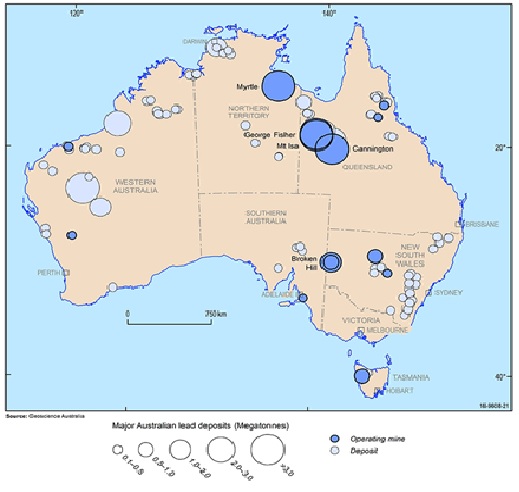
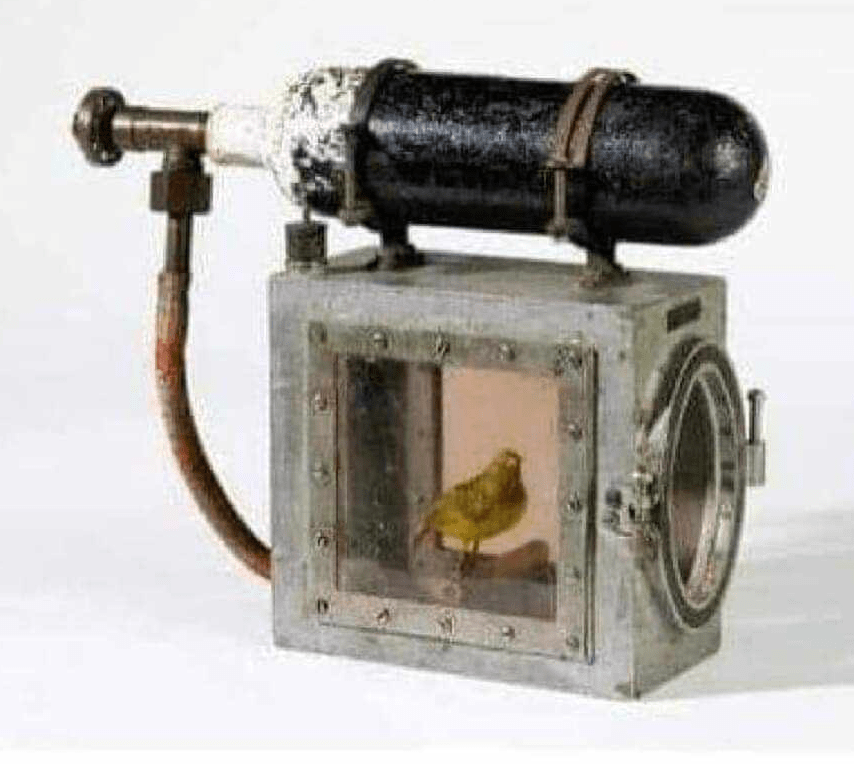
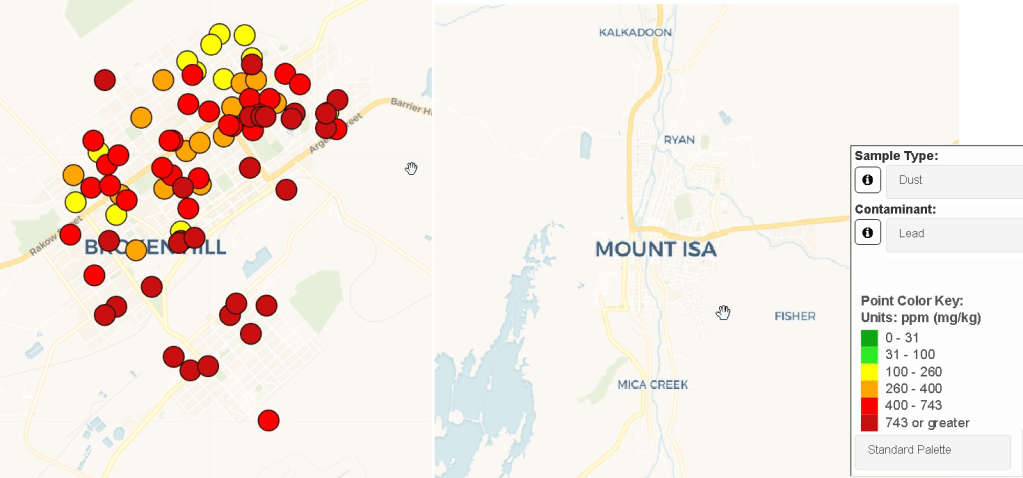
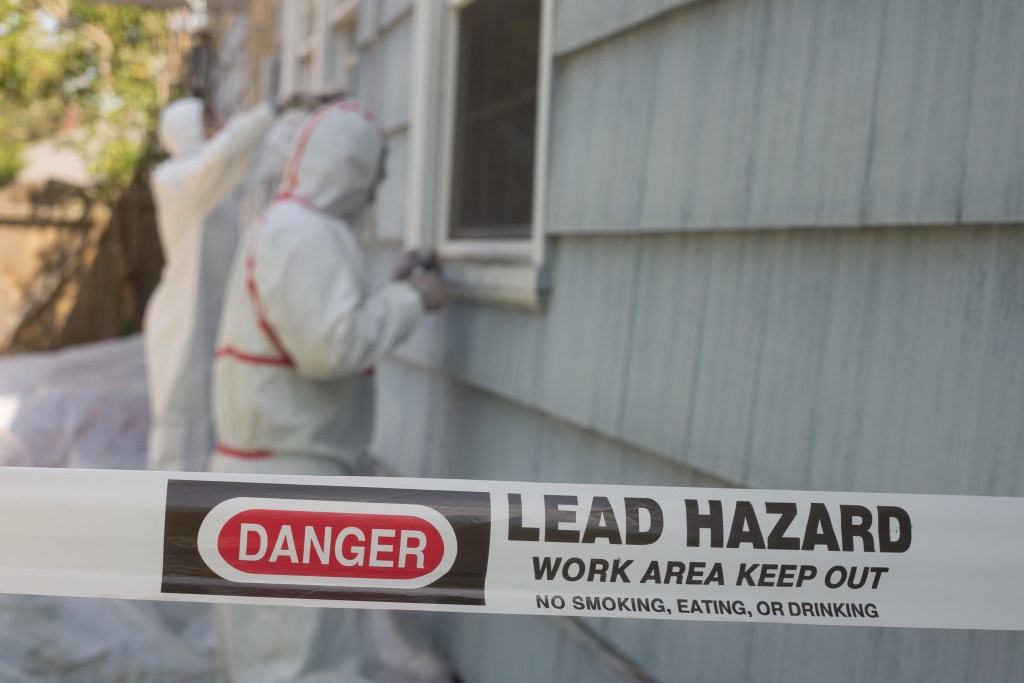

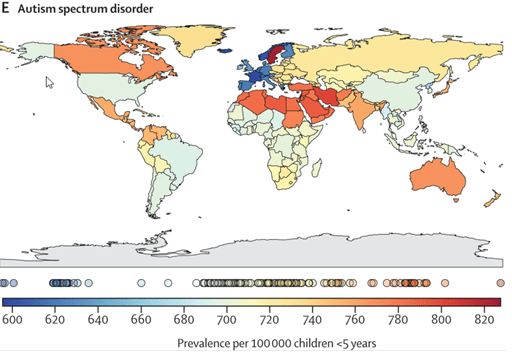

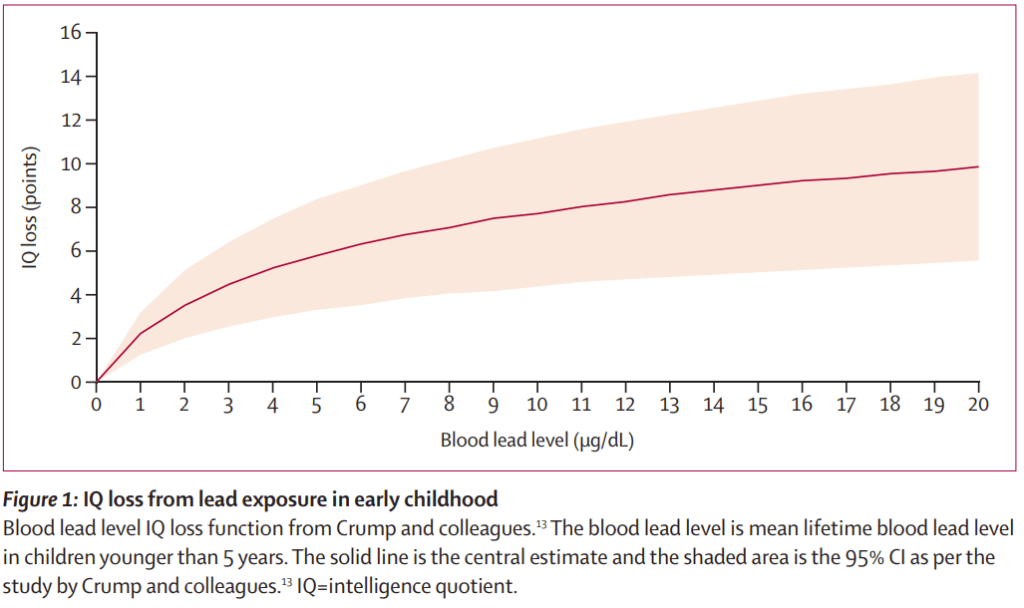
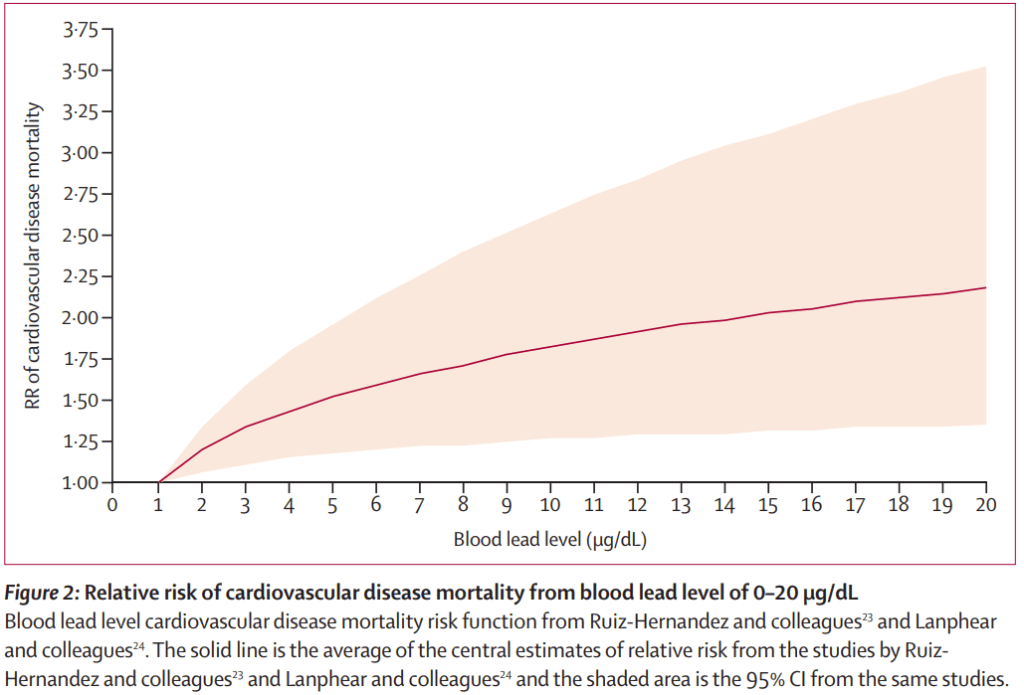
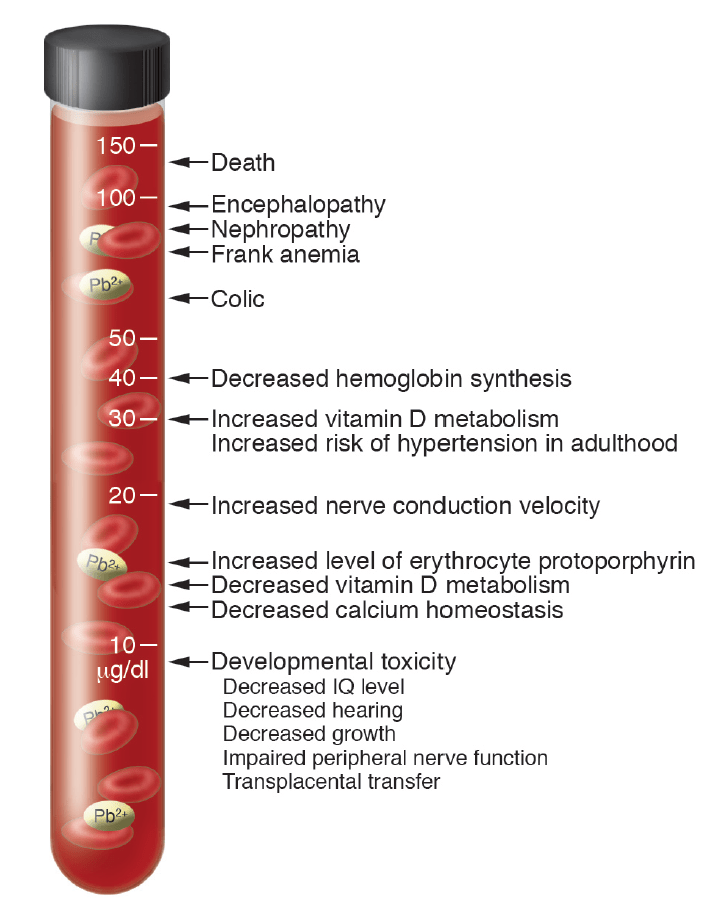

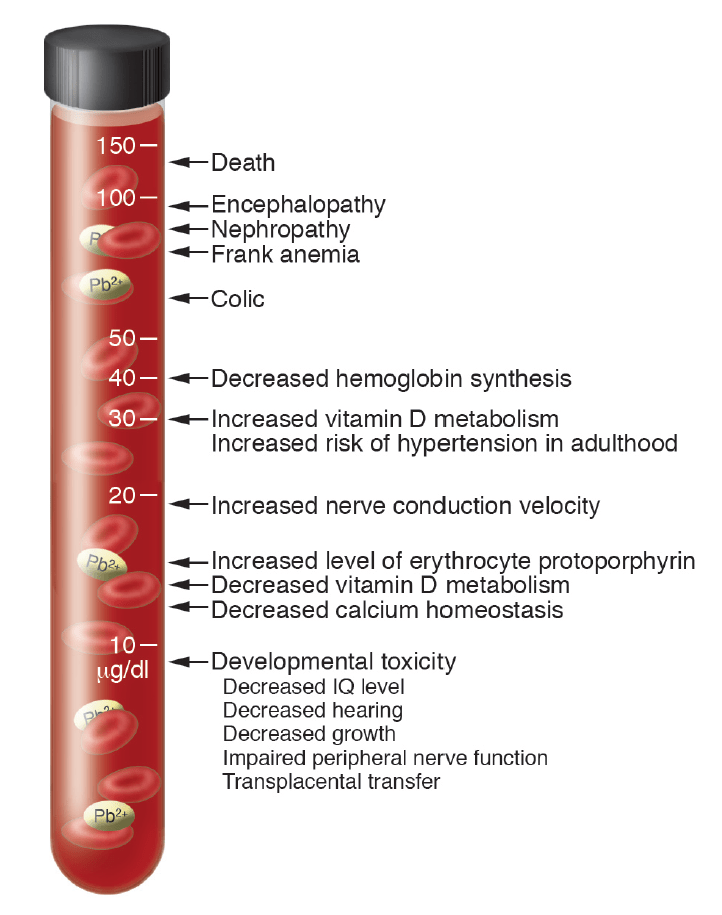
 Lead in Australia - what you didn't know